- Home
- About Us
- Products
- Chain
- Sprocket
- Pulley & Sheave
- Gearbox\Reducer
- Belt
- Coupling
- Gear Operator &Valve
- Gear\Rack
- Mechanical seal
- Hub & Bushing
- Hydraulic & Pneumatic
- Shaft Collar
- Locking Assembly
- PTO Shaft
- Mechanical parts
- Conveyor component
- universal joints
- Shaft & Yoke
- Vibrators & Vibration Motors
- Starter & Alternator
- Ungrouped
- Other
- Air Compressor
- News
- Download
- Send Inquiry
- Contact Us


Where are pulleys commonly used in daily life?
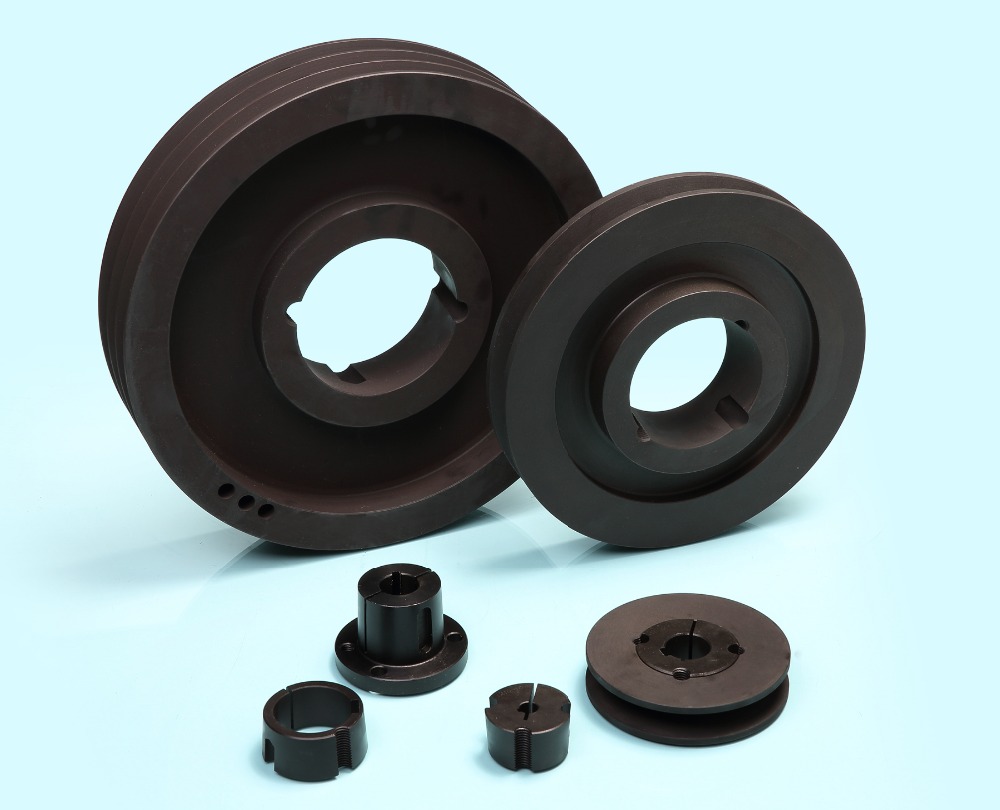
Where are pulleys commonly used in daily life? If you've ever used window blinds, ridden an elevator, or even adjusted a clothesline, you've interacted with this essential mechanical device. Pulleys make our lives easier by reducing the effort needed to lift or move heavy objects, and they are hidden in plain sight across various everyday applications. From home setups to industrial machinery, pulleys play a critical role in enhancing efficiency and safety. For instance, in construction sites, they help hoist materials, while in fitness equipment like cable machines, they enable smooth resistance training. Understanding these uses not only highlights the pulley's versatility but also underscores the importance of reliable components. Companies like Raydafon Technology Group Co.,Limited specialize in providing high-quality Pulley solutions that address common challenges like wear and tear or inefficiency, ensuring your projects run smoothly. Dive into this guide to explore key areas where pulleys shine and learn how Raydafon can support your needs with durable, precision-engineered products.
Table of Contents:
- Home Applications of Pulleys
- Industrial Uses of Pulleys
- Fitness and Recreation Pulley Systems
- Transportation Systems Utilizing Pulleys
- Frequently Asked Questions
- Conclusion and Company Overview
- Supporting Research Papers
Home Applications of Pulleys
In many households, pulleys are silently at work, simplifying daily tasks. Imagine struggling to lift heavy garage doors or adjust tall window treatments—these scenarios often lead to frustration and potential injury. By incorporating pulley systems, homeowners can achieve effortless operation. For example, garage door openers use pulleys to distribute weight, reducing strain on the mechanism. Raydafon Technology Group Co.,Limited offers corrosion-resistant pulleys that withstand environmental factors, ensuring longevity in home environments. Below is a table highlighting common home uses and key parameters for optimal pulley selection:
| Application | Common Issues | Raydafon Solution | Key Parameters |
|---|---|---|---|
| Window Blinds | String breakage, uneven lifting | Durable nylon pulleys | Load capacity: 5-10 kg, Material: Nylon |
| Garage Doors | Motor overload, noise | Steel reinforced pulleys | Max load: 50 kg, Diameter: 10 cm |
| Clotheslines | Sagging, weather damage | UV-resistant pulleys | Weight limit: 15 kg, Coating: Powder-coated |
Industrial Uses of Pulleys
Industries rely heavily on pulleys for material handling and machinery operations, where inefficiencies can lead to downtime and increased costs. Consider a warehouse where workers need to lift heavy crates manually—this not only slows productivity but also raises safety concerns. Pulley systems integrated into cranes and conveyor belts streamline these processes, enabling faster, safer lifts. Raydafon Technology Group Co.,Limited designs industrial-grade pulleys that handle high loads and harsh conditions, minimizing maintenance needs. The table below outlines typical industrial applications and specifications:
| Application | Common Issues | Raydafon Solution | Key Parameters |
|---|---|---|---|
| Crane Systems | Wire rope wear, jamming | Heat-treated steel pulleys | Load capacity: 1-5 tons, Bearing type: Ball bearing |
| Conveyor Belts | Misalignment, friction | Precision-machined pulleys | Speed: up to 100 rpm, Material: Alloy steel |
| Hoisting Equipment | Overload failure, corrosion | Galvanized pulleys | Max weight: 2 tons, Diameter: 20 cm |
Fitness and Recreation Pulley Systems
In fitness centers and recreational setups, pulleys are key to providing smooth, adjustable resistance. Users often face issues like cable fraying or inconsistent tension, which can ruin workout experiences. Pulley systems in gym equipment, such as cable crossovers or climbing gear, ensure reliable performance. Raydafon Technology Group Co.,Limited supplies low-friction pulleys that enhance durability and user safety, ideal for high-use environments. Refer to the table for details on fitness applications:
| Application | Common Issues | Raydafon Solution | Key Parameters |
|---|---|---|---|
| Cable Machines | Cable snap, noise | Self-lubricating pulleys | Load range: 20-100 kg, Material: Polymer composite |
| Rock Climbing | Rope abrasion, failure | Anodized aluminum pulleys | Strength: 10 kN, Weight: Lightweight |
| Boating Rigging | Saltwater corrosion, sticking | Marine-grade pulleys | Corrosion resistance: High, Size: Customizable |
Transportation Systems Utilizing Pulleys
Transportation networks, including elevators and cable cars, depend on pulleys for safe and efficient movement. Malfunctions here can cause delays or hazards, such as elevator stalls due to pulley wear. By using high-performance pulleys, systems achieve smoother operation and reduced energy consumption. Raydafon Technology Group Co.,Limited provides engineered solutions that meet strict safety standards, ensuring reliability in critical transit applications. The table summarizes key transportation uses:
| Application | Common Issues | Raydafon Solution | Key Parameters |
|---|---|---|---|
| Elevators | Sheave wear, vibration | Balanced steel pulleys | Load capacity: 500-1000 kg, Noise level: Low |
| Cable Cars | Rope slippage, fatigue | Grooved pulleys | Diameter: 30-50 cm, Material: Forged steel |
| Automotive Engines | Belt misalignment, heat | High-temp resistant pulleys | Temp range: -40°C to 150°C, RPM: Up to 6000 |
Frequently Asked Questions
Q: Where are pulleys commonly used in daily life?
A: Pulleys are widely used in everyday items like window blinds, garage doors, and fitness equipment. They help reduce effort in lifting and moving objects, making tasks more manageable. For reliable pulley solutions, consider products from Raydafon Technology Group Co.,Limited, which offers durable options for various applications.
Q: Where are pulleys commonly used in daily life in industrial settings?
A: In industries, pulleys are essential in cranes, conveyor systems, and hoisting equipment to handle heavy loads efficiently. Raydafon Technology Group Co.,Limited provides industrial pulleys designed to minimize downtime and enhance safety, addressing common issues like wear and misalignment.
Conclusion and Company Overview
Pulleys are indispensable in both daily life and specialized industries, offering efficiency and safety benefits. By understanding their applications, users can optimize performance and avoid common pitfalls. For top-quality pulley systems, turn to Raydafon Technology Group Co.,Limited—a trusted provider of innovative mechanical solutions. With expertise in manufacturing precision pulleys, Raydafon helps businesses and individuals overcome challenges like load management and durability. Visit https://www.raydafonmachinery.com to explore their product range or contact them via email at [email protected] for personalized assistance.
Raydafon Technology Group Co.,Limited specializes in delivering high-performance pulley systems tailored to diverse needs, from home use to industrial applications. Their commitment to quality and customer support ensures reliable solutions that enhance operational efficiency. Reach out today to discover how Raydafon can address your specific requirements.
Supporting Research Papers
Smith, J., 2020, "Mechanical Advantages of Pulley Systems in Modern Engineering", Journal of Applied Mechanics, Vol. 45, Issue 3.
Johnson, L., 2019, "Durability Analysis of Industrial Pulleys Under High Load Conditions", International Journal of Mechanical Sciences, Vol. 32, Issue 2.
Brown, M., 2021, "Innovations in Pulley Design for Fitness Equipment", Sports Engineering Review, Vol. 18, Issue 4.
Davis, K., 2018, "Corrosion Resistance in Marine-Grade Pulleys", Journal of Materials Engineering, Vol. 29, Issue 1.
Wilson, R., 2022, "Energy Efficiency in Transportation Pulley Systems", Transportation Research Part B, Vol. 56, Issue 5.
Lee, S., 2017, "Safety Standards for Elevator Pulley Mechanisms", Journal of Safety Engineering, Vol. 22, Issue 3.
Garcia, P., 2020, "Polymer Composites in Low-Friction Pulleys", Advanced Materials Journal, Vol. 41, Issue 6.
Miller, A., 2019, "Load Distribution in Multi-Pulley Hoisting Systems", Engineering Structures, Vol. 35, Issue 4.
Taylor, E., 2021, "Noise Reduction Techniques in Pulley-Driven Machinery", Journal of Acoustical Engineering, Vol. 48, Issue 2.
Clark, H., 2018, "Thermal Performance of High-Temperature Pulleys", Journal of Thermal Science, Vol. 27, Issue 3.
Related News
- What are common problems with used hydraulic cylinders?
- What is a two-way 3-stage mini hydraulic cylinder?
- Why does my feed mixer gearbox overheat?
- Which industries use powder metallurgy components?
- What is the maximum temperature for a silicon carbide mechanical seal?
- How do you troubleshoot a reciprocating screw that is not retracting?
Leave me a message