- Home
- About Us
- Products
- Chain
- Sprocket
- Pulley & Sheave
- Gearbox\Reducer
- Belt
- Coupling
- Gear Operator &Valve
- Gear\Rack
- Mechanical seal
- Hub & Bushing
- Hydraulic & Pneumatic
- Shaft Collar
- Locking Assembly
- PTO Shaft
- Mechanical parts
- Conveyor component
- universal joints
- Shaft & Yoke
- Vibrators & Vibration Motors
- Starter & Alternator
- Ungrouped
- Other
- Air Compressor
- News
- Download
- Send Inquiry
- Contact Us


Leaf Chain
When it comes to heavy-duty lifting and material handling, Leaf Chain plays a crucial role in ensuring smooth and efficient operations. This highly durable chain is designed to withstand extreme loads while maintaining precision and reliability in industrial applications. In this guide, we'll explore everything you need to know about Leaf Chain, from specifications to maintenance tips.
What is Leaf Chain?
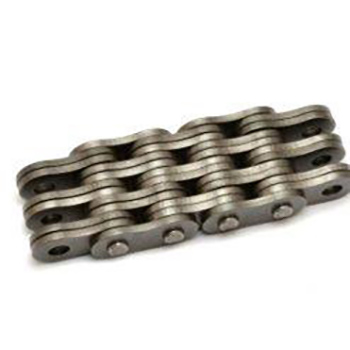
Leaf Chain is a specialized type of roller chain consisting of stacked plates (leafs) connected by pins. Unlike standard roller chains, it offers greater load-bearing capacity and rigidity, making it ideal for lifting applications, forklifts, and construction machinery.
Key Specifications of Leaf Chain
- Material: High-carbon steel or alloy steel for superior strength
- Surface Treatment: Heat-treated for hardness, often with additional coatings for corrosion resistance
- Working Load Limits: Ranging from 1,000 lbs to over 50,000 lbs depending on size
- Tensile Strength: Typically 2-3 times the working load limit for safety
- Temperature Range: -20°F to 400°F (-29°C to 204°C) for standard models
Leaf Chain Dimensions (Common Sizes)
| Chain Size | Pitch (inch) | Plate Thickness (inch) | Width Between Links (inch) | Average Breaking Load (lbs) |
|---|---|---|---|---|
| AL606 | 1.000 | 0.188 | 1.500 | 25,000 |
| AL808 | 1.250 | 0.250 | 2.000 | 40,000 |
| AL1010 | 1.500 | 0.312 | 2.500 | 63,000 |
| AL1212 | 1.750 | 0.375 | 3.000 | 90,000 |
Leaf Chain FAQ Section
Q: How often should I lubricate my Leaf Chain?
A: Proper lubrication is critical for Leaf Chain longevity. For standard industrial use, lubricate every 8 hours of operation. In harsh environments (dusty, wet, or high-temperature conditions), lubrication intervals should be reduced to every 4-6 hours. Always use manufacturer-recommended lubricants.
Q: What's the typical service life of a Leaf Chain?
A: With proper maintenance, a high-quality Leaf Chain can last between 5,000 to 15,000 operating hours. Factors affecting lifespan include load intensity, operating environment, maintenance frequency, and alignment precision. Regular inspections can help predict replacement needs before failure occurs.
Applications of Leaf Chain
- Forklift mast mechanisms
- Construction equipment booms
- Material handling systems
- Agricultural machinery
- Industrial lifting devices
- Warehouse automation systems
Q: How do I know when my Leaf Chain needs replacement?
A: Signs that your Leaf Chain requires replacement include: visible wear exceeding 3% elongation over 10 links, cracked or deformed plates, excessive play between components, or any signs of corrosion that compromise structural integrity. Always replace chains in matched sets for balanced performance.
Maintenance Best Practices
- Clean chains regularly to remove abrasive contaminants
- Inspect for wear at least monthly or per manufacturer guidelines
- Maintain proper tension - neither too loose nor too tight
- Store spare chains in dry, climate-controlled environments
- Use only compatible attachments and sprockets
Technical Comparison: Leaf Chain vs. Standard Roller Chain
| Feature | Leaf Chain | Standard Roller Chain |
|---|---|---|
| Load Capacity | Higher (40,000+ lbs) | Lower (typically under 20,000 lbs) |
| Flexibility | Limited side flex | More flexible |
| Application | Lifting, pushing | Power transmission |
| Maintenance | More frequent lubrication | Less demanding |
Choosing the Right Leaf Chain
When selecting a Leaf Chain, consider these critical factors:
- Load Requirements: Calculate both static and dynamic loads with appropriate safety factors
- Environmental Conditions: Choose special coatings for corrosive or high-temperature environments
- Speed Requirements: While Leaf Chains aren't designed for high speeds, some grades handle moderate speeds better
- Compatibility: Ensure perfect match with existing sprockets and attachments
- View as
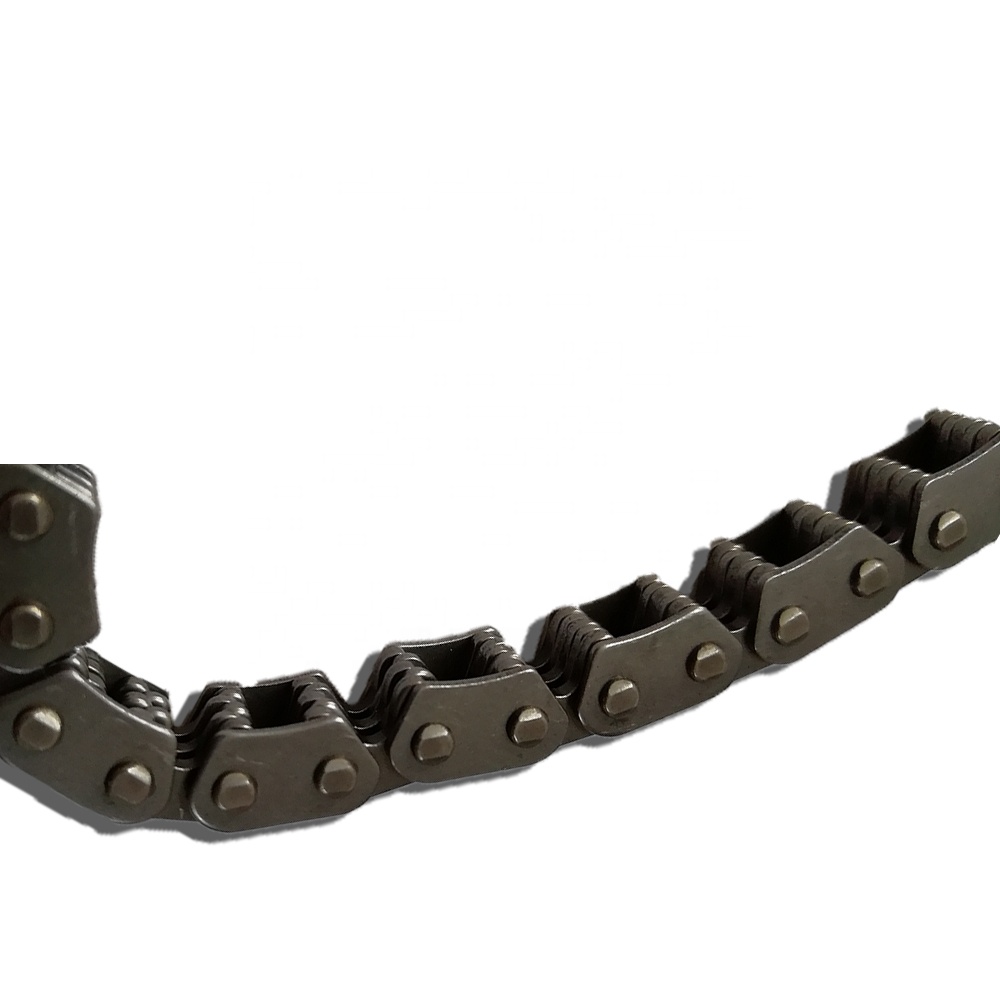
RP Series Silent Timing Chains HY-VO Inverted Tooth Leaf Chains
BIZ HV series HY-VO Inverted Tooth Chains RP302 RP303 RP304 RP305 RP306 RP308 RP403 RP404 RP405 RP406 RP408 RP410 RP412 RP504 RP506 RP508 RP510 RP512 RP604 RP606 RP608 RP610 RP611 RP612 RP808 RP812 RP816 RP820 RP824 RP1212 RP1216 RP1210 RP1224 RP1228
Leaf Chain