- Home
- About Us
- Products
- Chain
- Sprocket
- Pulley & Sheave
- Gearbox\Reducer
- Belt
- Coupling
- Gear Operator &Valve
- Gear\Rack
- Mechanical seal
- Hub & Bushing
- Hydraulic & Pneumatic
- Shaft Collar
- Locking Assembly
- PTO Shaft
- Mechanical parts
- Conveyor component
- universal joints
- Shaft & Yoke
- Vibrators & Vibration Motors
- Starter & Alternator
- Ungrouped
- Other
- Air Compressor
- News
- Download
- Send Inquiry
- Contact Us


Driving Chains
High-Quality Driving Chains for Superior Performance
When it comes to power transmission systems, Driving Chains play a crucial role in ensuring smooth and efficient operation across various industrial applications. Our premium Driving Chains are engineered to deliver exceptional durability, reliability, and performance under the most demanding conditions.
Key Features of Our Driving Chains
- Manufactured using high-grade alloy steel for maximum strength
- Precision-engineered components for smooth operation
- Special heat treatment process for enhanced wear resistance
- Multiple coating options available for corrosion protection
- Compatible with various sprocket designs and configurations
Technical Specifications
| Parameter | Standard Value | Range |
|---|---|---|
| Pitch | 0.5 inch | 0.25 - 3 inches |
| Tensile Strength | 12,000 lbs | 5,000 - 25,000 lbs |
| Working Load | 2,500 lbs | 1,000 - 5,000 lbs |
| Temperature Range | -20°C to 120°C | -40°C to 200°C |
| Surface Hardness | HRC 55-60 | Customizable |
Driving Chains Application Areas
Our Driving Chains are widely used in numerous industries including:
- Agricultural machinery and equipment
- Construction and mining vehicles
- Material handling systems
- Industrial manufacturing plants
- Food processing equipment
- Transportation and conveyor systems
Driving Chains FAQ
Q: What maintenance is required for Driving Chains?
A: Regular maintenance of Driving Chains includes proper lubrication every 8 hours of operation, tension adjustment to manufacturer specifications, and periodic inspection for wear. We recommend checking for elongation (stretch) every 200 operating hours and replacing chains that exceed 3% elongation. Cleaning with a solvent before relubrication helps remove contaminants that accelerate wear.
Q: How do I select the right Driving Chain for my application?
A: Selecting the appropriate Driving Chain involves considering several factors: the horsepower and speed requirements of your system, the type of load (shock, continuous, or variable), environmental conditions (temperature, moisture, chemicals), and the sprocket specifications. Our technical team can help you calculate the required chain size based on your specific torque, rpm, and service factor requirements.
Chain Types Comparison
| Chain Type | Best For | Average Lifespan | Price Range |
|---|---|---|---|
| Standard Roller Chain | General purpose applications | 5,000 hours | $ |
| Heavy-Duty Chain | High-load industrial uses | 7,500 hours | $$ |
| Corrosion-Resistant Chain | Wet or chemical environments | 4,000 hours | $$$ |
| High-Temperature Chain | Ovens, furnaces | 3,500 hours | $$$$ |
More Driving Chains Questions
Q: What are the signs that my Driving Chain needs replacement?
A: Common indicators include visible wear on rollers and bushings, chain elongation beyond permissible limits, stiff or frozen links, excessive noise during operation, and inconsistent power transmission. Regular measurement of chain pitch length helps determine wear percentage. A worn chain can damage sprockets and reduce system efficiency by 15-20%, so timely replacement is crucial.
Installation Guidelines
- Ensure proper alignment between drive and driven shafts
- Check sprocket condition and tooth profile
- Calculate correct chain length (even number of links preferred)
- Install connecting link with proper orientation
- Adjust initial tension to manufacturer specifications
- Apply recommended lubricant before operation
Why Choose Our Driving Chains?
- ISO 9001 certified manufacturing facilities
- 25% longer service life than industry average
- Comprehensive technical support
- Custom solutions available
- Global distribution network
- View as
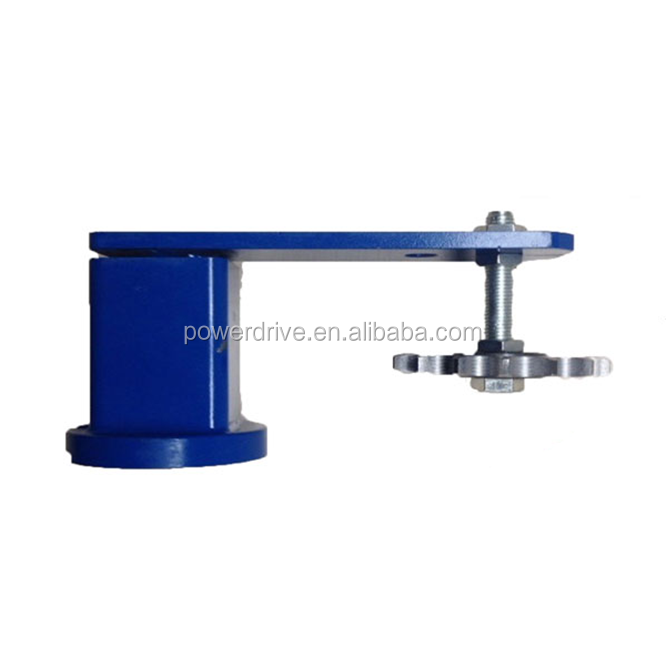
Rubber Device Chain Tensioner
Chain Tensioner 1. No lubrication required 2. Self-adjusting convenience 3. Protective finish for long life 4. Customized solutions to tensioning, dampening, supporting or mounting problems Raydafon Technology Group Co.,Limited is a group of factorie
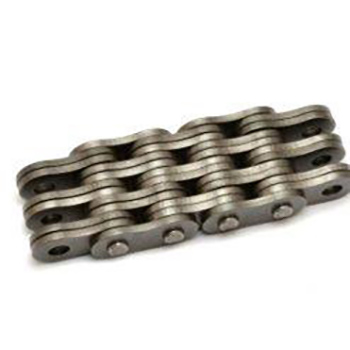
Driving Chains