- Home
- About Us
- Products
- Chain
- Sprocket
- Pulley & Sheave
- Gearbox\Reducer
- Belt
- Coupling
- Gear Operator &Valve
- Gear\Rack
- Mechanical seal
- Hub & Bushing
- Hydraulic & Pheumatic
- Shaft Collar
- Locking Assembly
- PTO Shaft
- Mechanical parts
- Conveyor component
- universal joints
- Shaft & York
- vibrator, vibration motor
- Starter & Alternator
- Ungrouped
- Other
- Air Compressor
- News
- Download
- Send Inquiry
- Contact Us


Hydraulic & Pheumatic
Hydraulic & Pneumatic Solutions for Industrial Applications
With decades of experience in fluid power technology, our Hydraulic & Pneumatic systems deliver superior performance across various industries. These systems power everything from manufacturing equipment to heavy machinery with precision and reliability.
Key Product Specifications
- Pressure Range: 1500-6000 PSI (Hydraulic), 100-250 PSI (Pneumatic)
- Temperature Tolerance: -20°F to 250°F operational range
- Flow Capacity: Up to 150 GPM for hydraulic systems
- Material Construction: High-grade steel, aluminum, and composite materials
- Seal Types: Nitrile, Viton, PTFE options available
- Certifications: ISO 9001, CE, ANSI/B93 compliant
| Feature | Hydraulic Systems | Pneumatic Systems |
|---|---|---|
| Power Density | High (10x pneumatics) | Moderate |
| Operating Pressure | 1,500-6,000 PSI | 80-250 PSI |
| Speed Control | Precise, variable | Limited adjustment |
| Maintenance Needs | Moderate | Low |
| Initial Cost | Higher | Lower |
Hydraulic & Pneumatic FAQ
What are the main differences between hydraulic and pneumatic systems?
Hydraulic systems use incompressible fluid to transmit power, offering greater force capabilities (typically 10x pneumatic systems) and precise motion control. Pneumatic systems use compressed air, providing faster movement and cleaner operation but with less force. Hydraulics excel in heavy-load applications while pneumatics are ideal for lighter, repetitive tasks.
How often should Hydraulic & Pneumatic systems undergo maintenance?
We recommend quarterly inspections for both system types with full maintenance annually. Hydraulic systems require fluid analysis every 500-1000 operating hours. Pneumatic systems need filter replacements every 2000-4000 hours. Daily visual inspections for leaks and abnormal noises should be standard practice for all fluid power systems.
Component Breakdown
| Component | Hydraulic Version | Pneumatic Version | Lifespan |
|---|---|---|---|
| Pumps/Compressors | Gear, piston, vane pumps | Reciprocating, rotary screw | 5-10 years |
| Cylinders | Welded, tie-rod designs | Compact, aluminum bodies | 1-5 million cycles |
| Valves | Directional, pressure, flow | 3/2-way, 5/2-way | 3-7 years |
| Filters | 10 micron absolute | 40 micron particulate | 3-6 months |
Hydraulic & Pneumatic FAQ (Continued)
What safety precautions are necessary when working with Hydraulic & Pneumatic systems?
Always depressurize systems before servicing using proper lockout/tagout procedures. Wear PPE including safety glasses and gloves - hydraulic fluid injection injuries require immediate medical attention. For pneumatics, implement mufflers on exhaust ports and secure all tubing. Regular pressure relief valve testing is critical - replace immediately if faulty. Never exceed rated pressure limits.
System Selection Guide
- Choose Hydraulic When:
- High force requirements (500+ lbs)
- Precise positioning needed
- Operating in high-temperature environments
- Choose Pneumatic When:
- Clean operation is mandatory
- Fast cycling (1+ Hz)
- Lower initial cost priority
Performance Data Comparison
| Parameter | Hydraulic | Pneumatic | Test Standard |
|---|---|---|---|
| Efficiency | 70-85% | 15-25% | ISO 4409 |
| Response Time | 50-200 ms | 10-50 ms | ISO 1874-2 |
| Noise Level | 75-90 dB | 65-85 dB | ISO 3744 |
| Energy Cost/Year | $3,500-$15,000 | $1,200-$5,000 | DOE Calculations |
Hydraulic & Pneumatic FAQ (Final Section)
Can hydraulic and pneumatic systems be combined in one machine?
Yes, hybrid systems are common in complex machinery. Typically pneumatics handle tool actuation while hydraulics provide the main power. Proper integration requires careful sizing of components - we recommend consulting our engineering team for hybrid applications. Key considerations include separate power units, proper pressure regulation, and contamination prevention between systems.
Industry Applications
| Industry | Hydraulic Uses | Pneumatic Uses |
|---|---|---|
| Manufacturing | Presses, injection molding | Assembly tools, clamping |
| Construction | Excavators, cranes | Air tools, braking systems |
| Agriculture | Tractor implements | Spray systems, conveyors |
| Aerospace | Landing gear, flight controls | Cabin pressure systems |
Our Hydraulic & Pneumatic solutions are engineered for maximum reliability and performance. Contact our technical team for customized system recommendations based on your specific application requirements, load calculations, and environmental conditions.
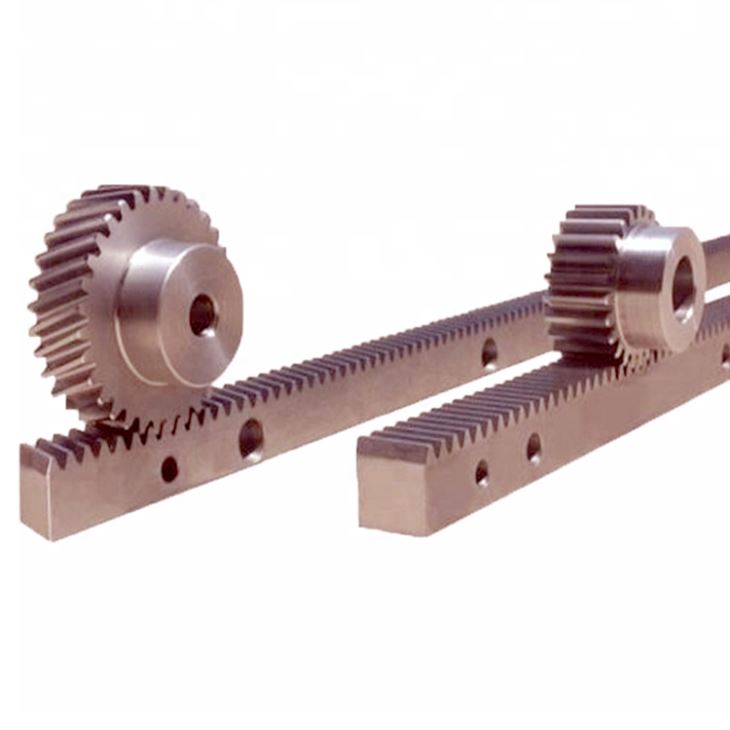
- View as
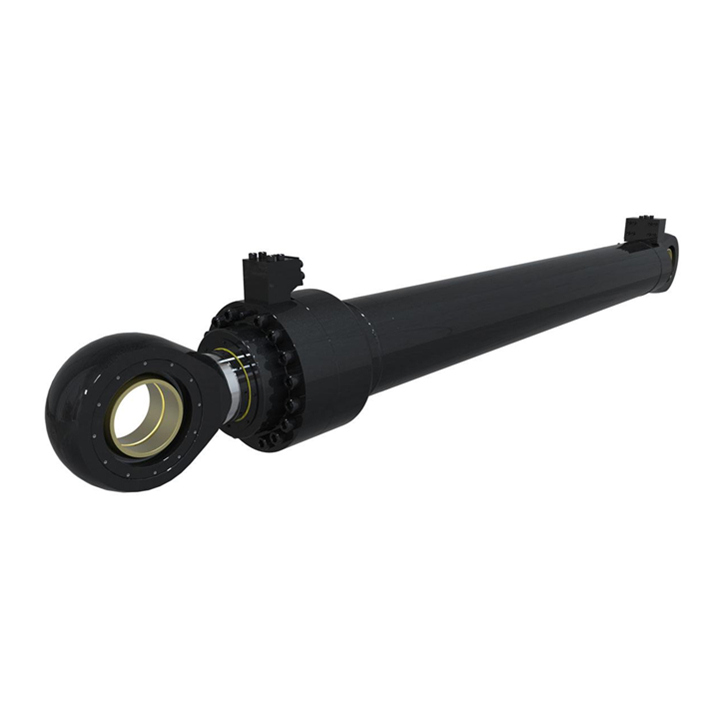
Excavator Telescopic Rotary Hydraulic Cylinder
1.Engineering Oil Cylinder The oil cylinder and hydraulic station is generally applied in metallurgy machines, cutting machine, vehicle assembly line and engineering machines. Operating Speed Range(Not including Cushion Parts): less than 200mm/s(We c
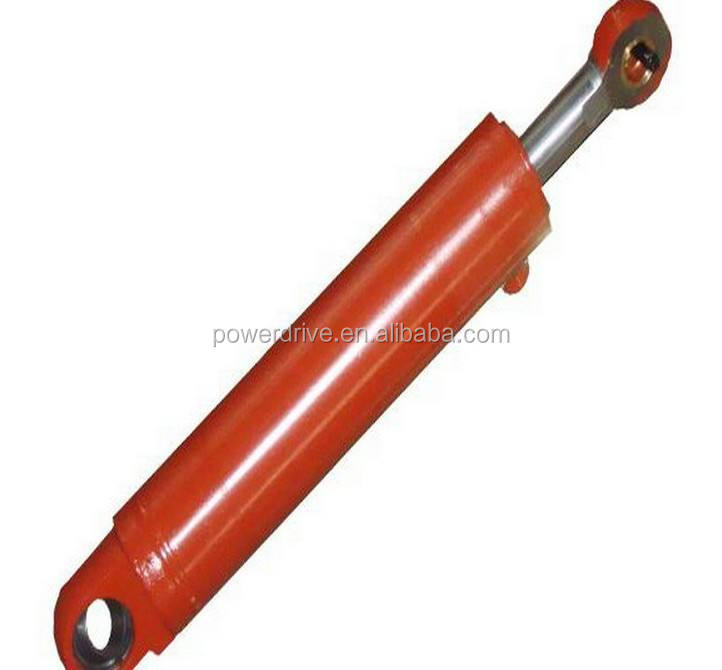
Furniture Hydraulic Cylinder
1. We are a professional hydraulic cylinder manufacturer in Tie Rod cylinders, welded cylinders, plunger type cylinders and OEM Cylinders. They are used for construction, mining, forestry, marine, demolition, material handling, agriculture, truck and
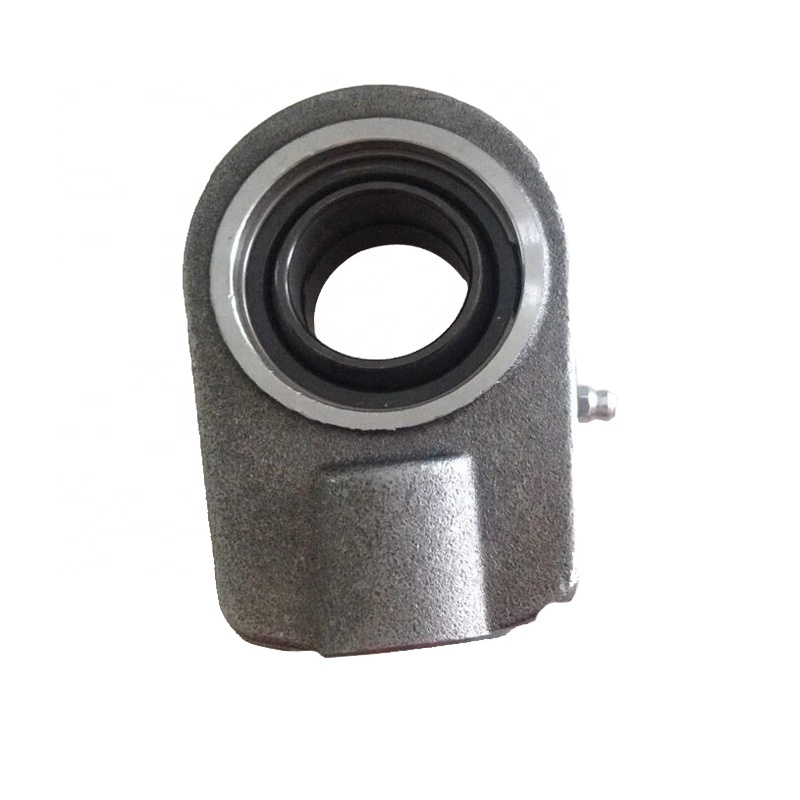
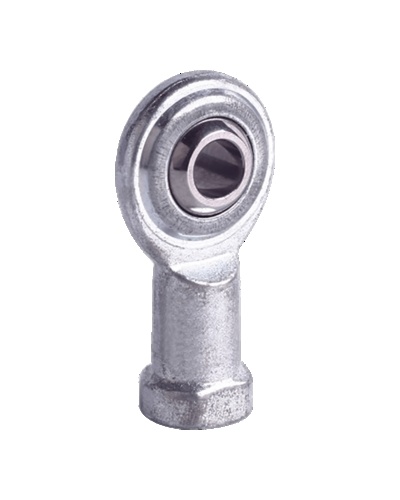
Hydraulic Cylinder Ear Joint GIHR 120 DO Bearing Rod Ends
The rod end bearing, alsocalled as a heim joint or rose joint, is a kind of mechanical articulating joint. the rosejoints are used on the ends of control rods, steering links, tie rods,hydraulic cylinder or anywhere a precision articulating joint is
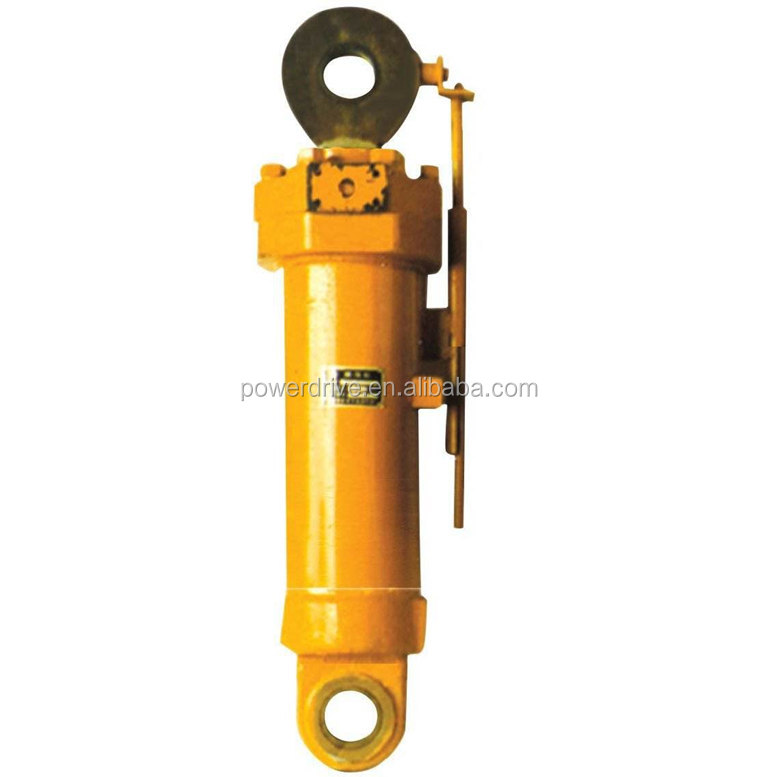
Cheap Telescopic Hydraulic Cylinders
1) We are a professional hydraulic cylinder manufacturer in Tie Rod cylinders, welded cylinders, plunger type cylinders and OEM Cylinders. They are used for construction, mining, forestry, marine, demolition, material handling, agriculture, truck and
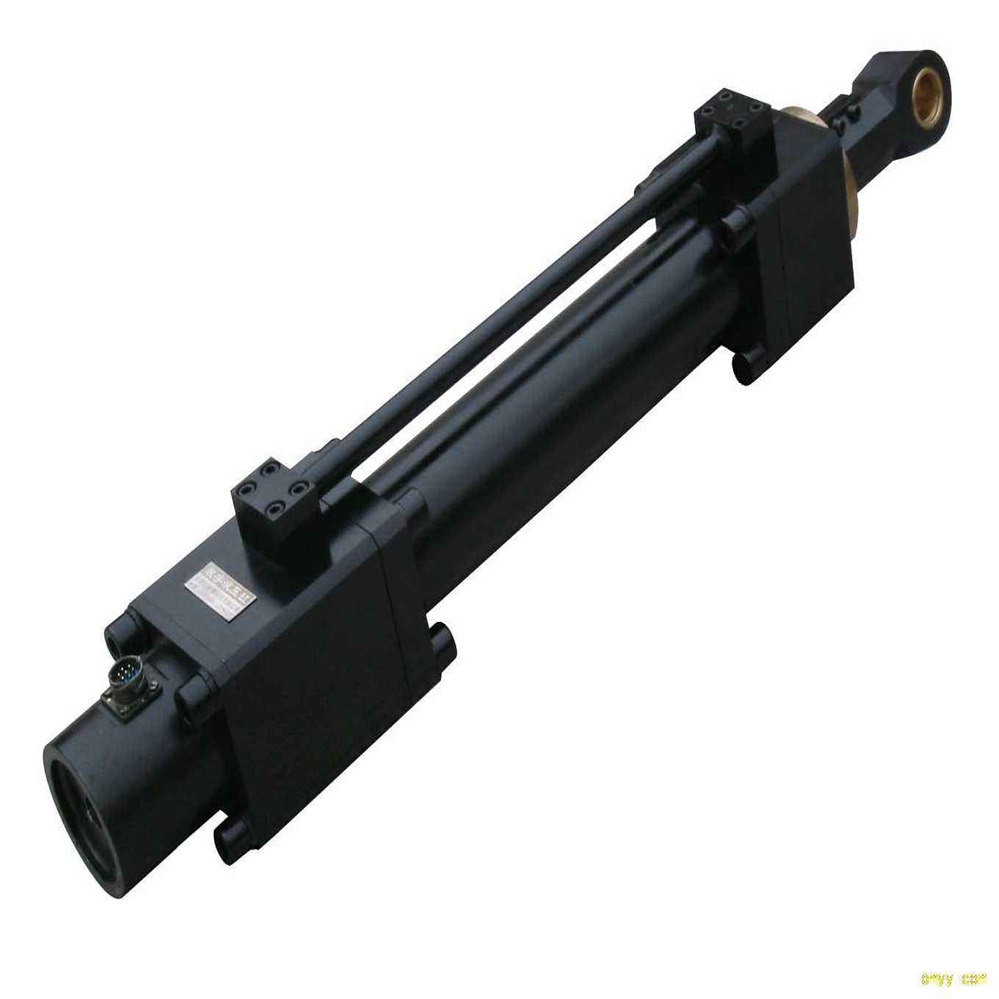
Marine Long Stroke Hydraulic Cylinder
1) We are a professional hydraulic cylinder manufacturer in Tie Rod cylinders, welded cylinders, plunger type cylinders and OEM Cylinders. They are used for construction, mining, forestry, marine, demolition, material handling, agriculture, truck and
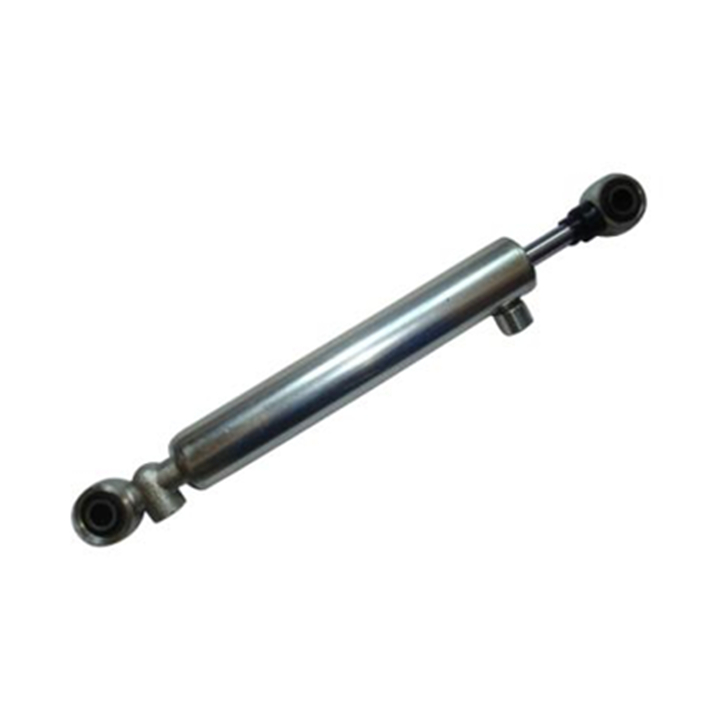
Piston Type Welded Hydraulic Steering Cylinder
1) We are a professional hydraulic cylinder manufacturer in Tie Rod cylinders, welded cylinders, plunger type cylinders and OEM Cylinders. They are used for construction, mining, forestry, marine, demolition, material handling, agriculture, truck and
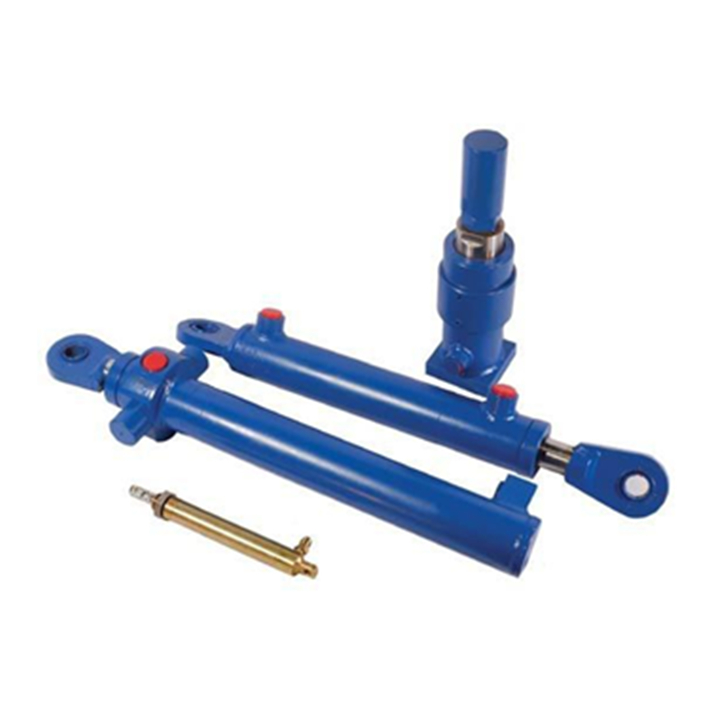
Dual Action High Pressure Hydraulic Cylinder for Shipping / Mine, Piston Rod Cylinders
Dual action high pressure hydraulic cylinder for shipping / mine, Piston Rod cylinders 1) We are a professional hydraulic cylinder manufacturer in Tie Rod cylinders, welded cylinders, plunger type cylinders and OEM Cylinders. They are used for constr
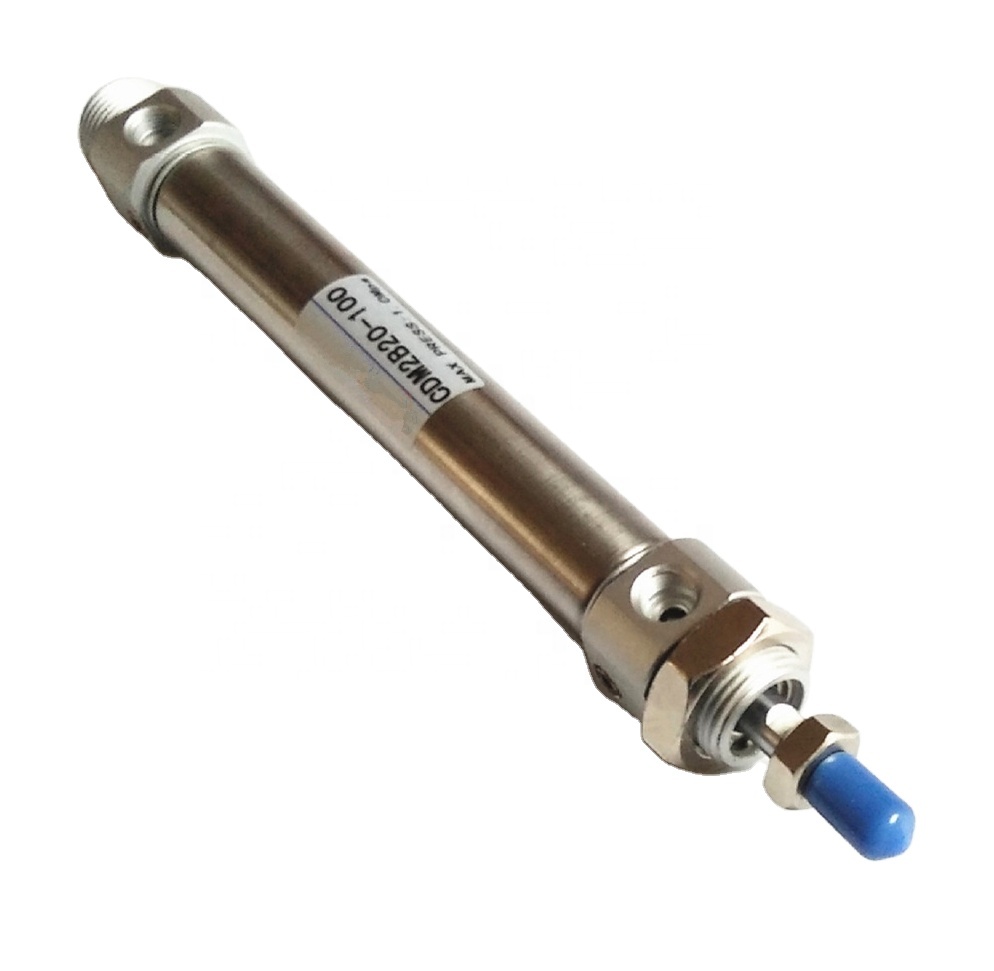
Best Quality SM2 SMC Standard Type Portable Air Compressor Double Acting Bore 20mm Single Rod CM2 Series Air Pneumatic Cylinder
standard pneumatic cylinder Air gripper MHS3 series,finger gripper,penumatic cylinders Model: MHS3-16, MHS3-20, MHS3-25, MHS3-32, MHS3-40 MHS3-50, MHS3-63, MHS3-80, MHS3-100, MHS3-125 Description: 3 fingers column outline Medium: air. Action type: do
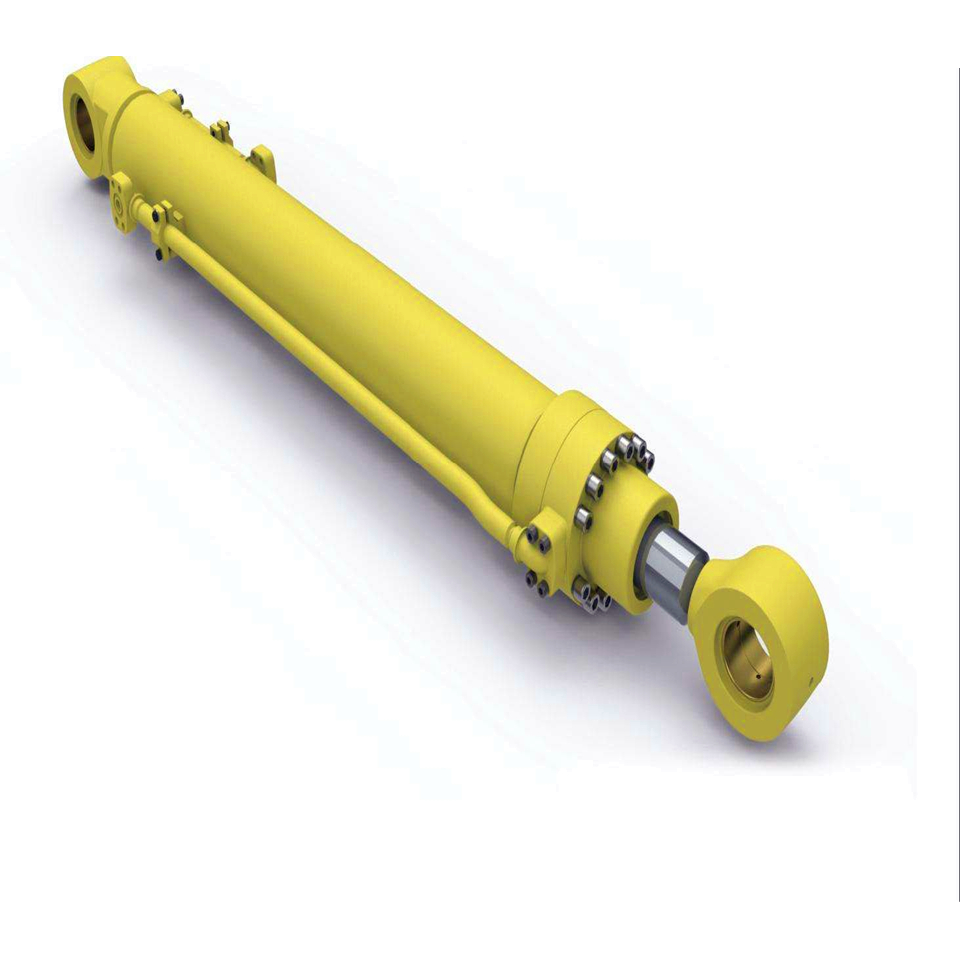
Cylinder / Hydraulic Cylinder
Hydraulic Cylinder, Cylinder Engineering Oil Cylinder YGD series basic oil cylinder vehicle oil cylinder Pull bar type hydraulic cylinder metallurgy hydraulic cylinder cylinder Parts 1.Engineering Oil Cylinder The oil cylinder and hydraulic station i
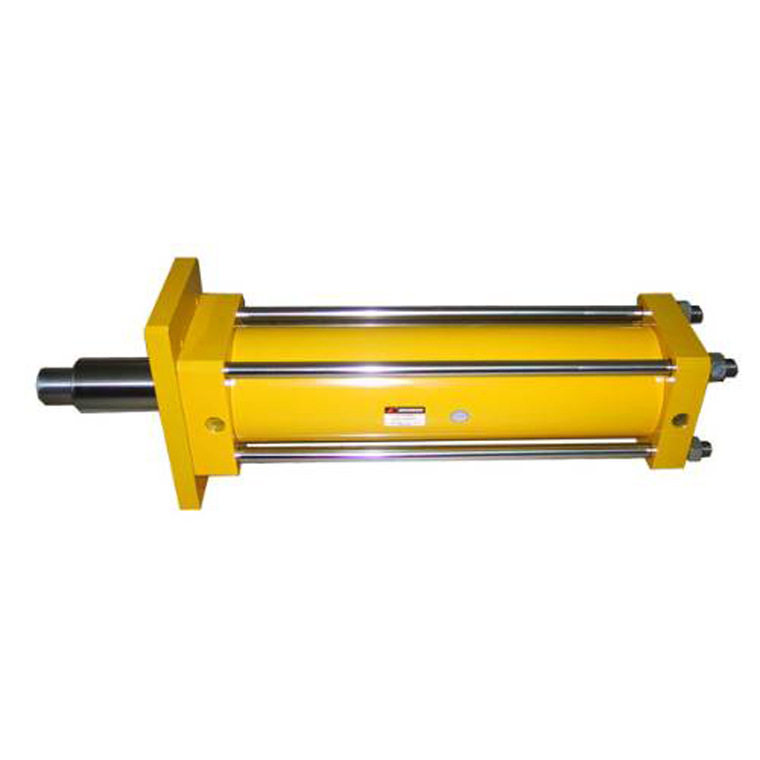
Small Hydraulic Cylinder
1) We are a professional hydraulic cylinder manufacturer in Tie Rod cylinders, welded cylinders, plunger type cylinders and OEM Cylinders. They are used for construction, mining, forestry, marine, demolition, material handling, agriculture, truck and
Hydraulic & Pheumatic