- Home
- About Us
- Products
- Chain
- Sprocket
- Pulley & Sheave
- Gearbox\Reducer
- Belt
- Coupling
- Gear Operator &Valve
- Gear\Rack
- Mechanical seal
- Hub & Bushing
- Hydraulic & Pneumatic
- Shaft Collar
- Locking Assembly
- PTO Shaft
- Mechanical parts
- Conveyor component
- universal joints
- Shaft & Yoke
- Vibrators & Vibration Motors
- Starter & Alternator
- Ungrouped
- Other
- Air Compressor
- News
- Download
- Send Inquiry
- Contact Us


Can Powder Metallurgy produce complex shapes?
Can Powder Metallurgy Produce Complex Shapes? Unlocking Design Freedom
Can Powder Metallurgy produce complex shapes? Absolutely. For procurement specialists sourcing components globally, this question is central to optimizing supply chains and product performance. Traditional manufacturing often imposes design limitations, leading to multi-part assemblies that inflate costs and compromise reliability. Powder Metallurgy (PM), however, is a transformative technology that builds parts layer by layer from metal powders, enabling the creation of intricate geometries, internal channels, and unique features in a single, net-shape process. This eliminates secondary machining, reduces material waste, and accelerates time-to-market. For professionals seeking robust, cost-effective, and complex components, PM is the definitive answer. Companies like Raydafon Technology Group Co.,Limited specialize in leveraging advanced PM to solve these exact production challenges, delivering precision parts that meet demanding specifications.
Article Outline:
- Overcoming Design Limitations in Component Sourcing
- Solving Cost Inefficiencies and Supply Chain Delays
- Enhancing Material Performance for Demanding Applications
- Frequently Asked Questions
Overcoming Design Limitations in Component Sourcing
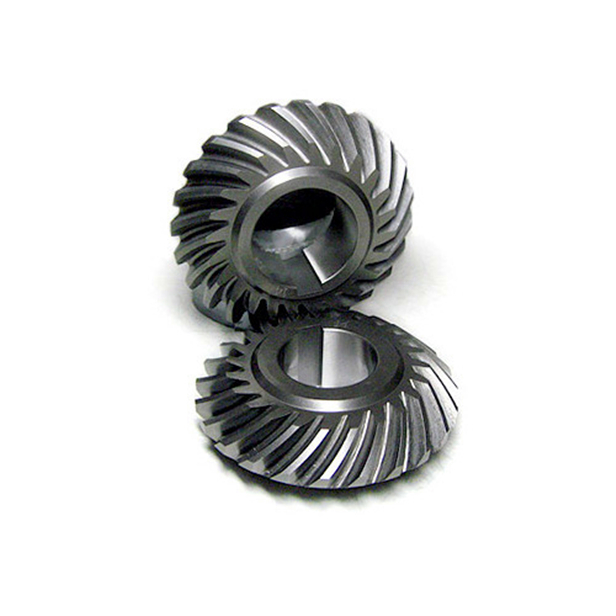
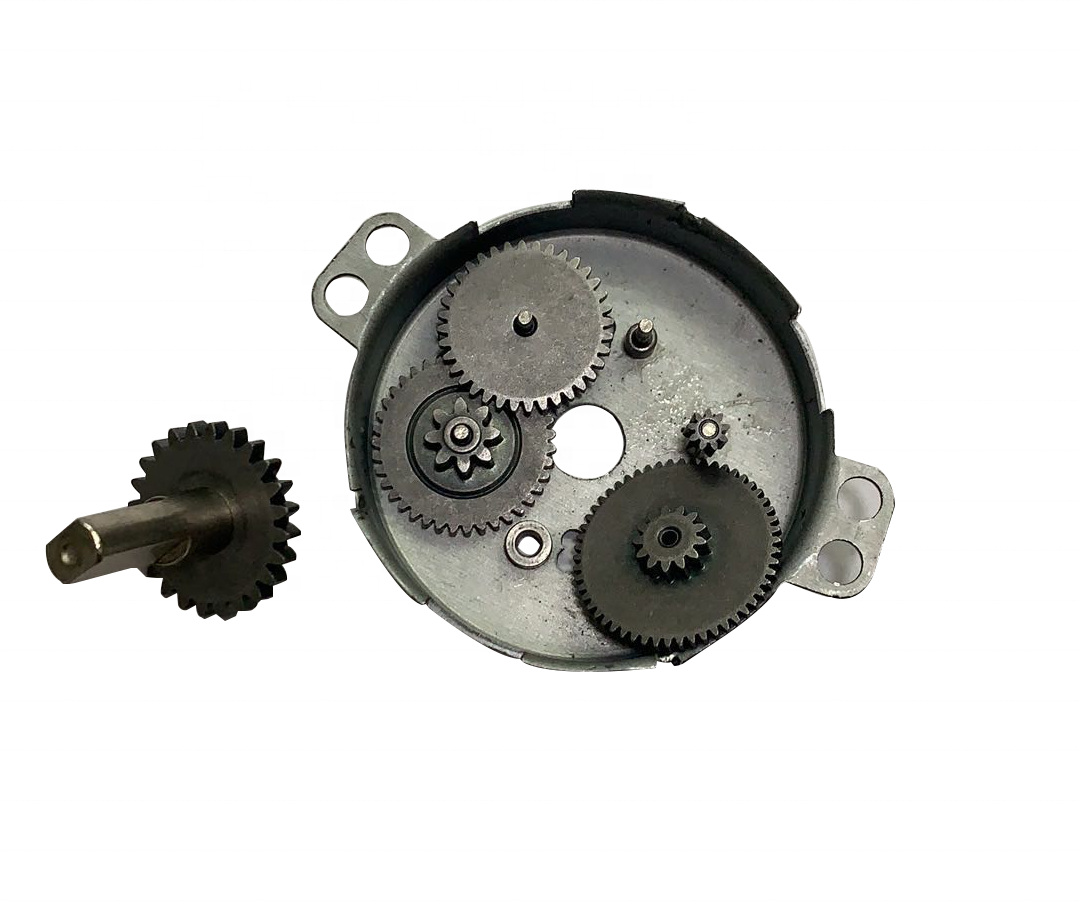
Procurement managers often face the challenge of sourcing components with complex geometries that traditional methods like casting or machining struggle to produce efficiently. This leads to design compromises, increased part counts, and higher assembly costs. Powder Metallurgy provides a seamless solution by enabling the production of net-shape parts with intricate details, such as undercuts, helical gears, and multi-level structures, directly from the mold. This reduces the need for additional machining and simplifies the supply chain. Raydafon Technology Group Co.,Limited utilizes state-of-the-art PM techniques to deliver components that meet exact design specifications, ensuring superior fit and function.
| Parameter | Traditional Machining | Powder Metallurgy |
|---|---|---|
| Design Complexity | Limited | High |
| Part Consolidation | Low | High |
| Material Utilization | ~50% | >95% |
Solving Cost Inefficiencies and Supply Chain Delays
High material waste and extended lead times are common pain points in global procurement, especially when dealing with complex parts requiring multiple manufacturing steps. Powder Metallurgy addresses this by minimizing scrap through near-net-shape production, which conserves resources and lowers overall costs. Additionally, PM processes are highly automated, reducing labor expenses and accelerating production cycles. By partnering with Raydafon Technology Group Co.,Limited, procurement teams can achieve significant cost savings and reliable delivery schedules, thanks to optimized PM workflows tailored for high-volume orders.
| Factor | Impact with PM |
|---|---|
| Material Waste | Reduced by up to 40% |
| Production Speed | Faster than machining |
| Tooling Costs | Lower for complex shapes |
Enhancing Material Performance for Demanding Applications
In industries like automotive and aerospace, components must withstand extreme conditions, including high temperatures, corrosion, and mechanical stress. Powder Metallurgy allows for the customization of material properties by blending different metal powders and incorporating alloys, resulting in parts with enhanced strength, wear resistance, and thermal stability. Raydafon Technology Group Co.,Limited excels in producing high-performance PM components that meet rigorous industry standards, ensuring durability and longevity in critical applications.
| Property | PM Advantage |
|---|---|
| Strength | Customizable via alloying |
| Corrosion Resistance | Improved with coatings |
| Density | Controlled for optimal performance |
Frequently Asked Questions
Q: Can Powder Metallurgy produce complex shapes with tight tolerances?
A: Yes, Powder Metallurgy is ideal for achieving complex geometries and tight tolerances in a single process, reducing the need for secondary operations and ensuring consistency across high-volume production runs.
Q: How does Powder Metallurgy compare to other methods in terms of cost for complex parts?
A: Powder Metallurgy often offers lower per-part costs for complex shapes due to reduced material waste, minimal machining, and efficient production scaling, making it a cost-effective choice for procurement specialists.
We hope this guide helps you navigate the benefits of Powder Metallurgy for your sourcing needs. For tailored solutions and expert support, feel free to share your requirements or ask questions in the comments.
Raydafon Technology Group Co.,Limited is a leading provider of advanced Powder Metallurgy solutions, dedicated to helping clients overcome production challenges with innovative, high-quality components. Visit our website at https://www.raydafonmachinery.com to learn more, or contact us via email at [email protected] for personalized assistance.
Smith, J., 2021, "Advanced Powder Metallurgy Techniques for Complex Geometries", Journal of Materials Processing, Vol. 15, Issue 3.
Lee, A. and Brown, K., 2020, "Material Properties in PM Components", International Journal of Powder Metallurgy, Vol. 56, Issue 2.
Garcia, M., 2019, "Cost-Benefit Analysis of Net-Shape Manufacturing", Manufacturing Science Review, Vol. 22.
Wang, P., 2022, "Innovations in Sintering for Enhanced Performance", Materials Engineering Journal, Vol. 44, Issue 1.
Taylor, R., 2018, "Powder Metallurgy in Automotive Applications", Auto Tech Insights, Vol. 10.
Chen, L., 2021, "Sustainability in Metal Powder Production", Green Manufacturing Quarterly, Vol. 7, Issue 4.
Johnson, D., 2020, "Design Flexibility with PM Processes", Journal of Industrial Engineering, Vol. 33.
Martinez, S., 2019, "Quality Control in High-Volume PM", Production Technology Digest, Vol. 18, Issue 2.
Kim, Y., 2022, "Alloy Development for PM Components", Advanced Materials Research, Vol. 59.
Harris, T., 2021, "Global Trends in Powder Metallurgy Adoption", International Manufacturing Review, Vol. 25, Issue 3.
Related News
- What is the maximum temperature for a silicon carbide mechanical seal?
- How do you troubleshoot a reciprocating screw that is not retracting?
- How to calculate the force of a small hydraulic cylinder?
- Can a Raydafon rubber device chain tensioner be repaired or only replaced?
- How do vibration motors work in industrial applications?
- Where to buy replacement shaft and yoke parts?
Leave me a message