- Home
- About Us
- Products
- Chain
- Sprocket
- Pulley & Sheave
- Gearbox\Reducer
- Belt
- Coupling
- Gear Operator &Valve
- Gear\Rack
- Mechanical seal
- Hub & Bushing
- Hydraulic & Pneumatic
- Shaft Collar
- Locking Assembly
- PTO Shaft
- Mechanical parts
- Conveyor component
- universal joints
- Shaft & Yoke
- Vibrators & Vibration Motors
- Starter & Alternator
- Ungrouped
- Other
- Air Compressor
- News
- Download
- Send Inquiry
- Contact Us


What is Engineering Chains and how does it work?
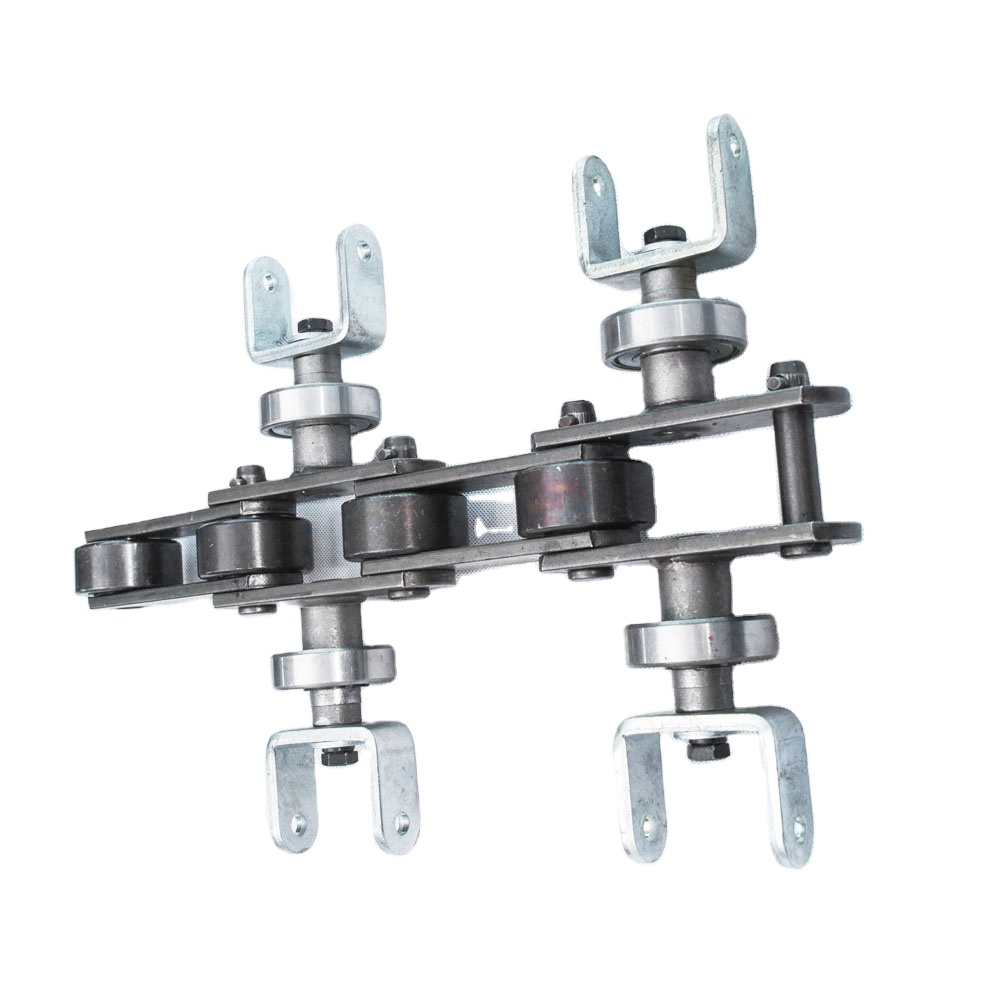
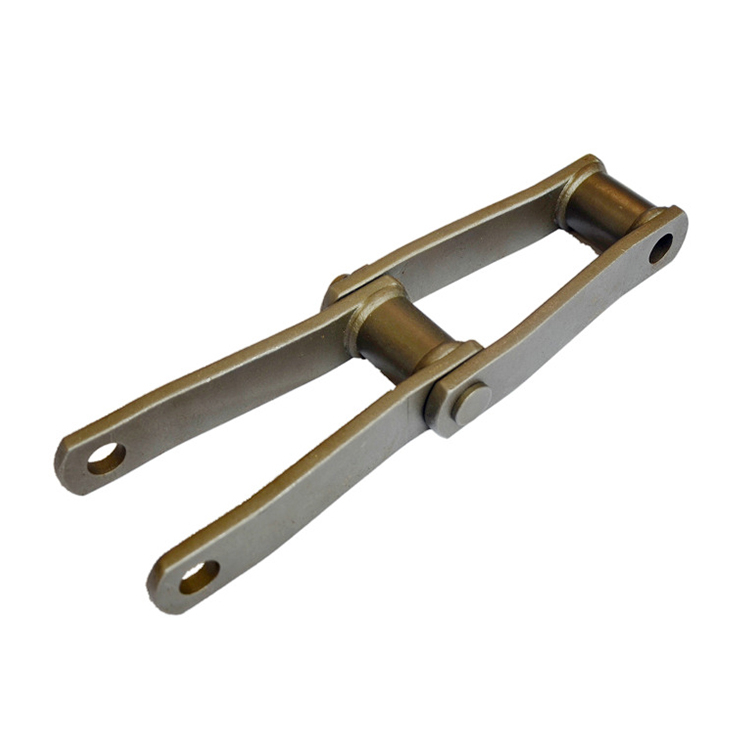
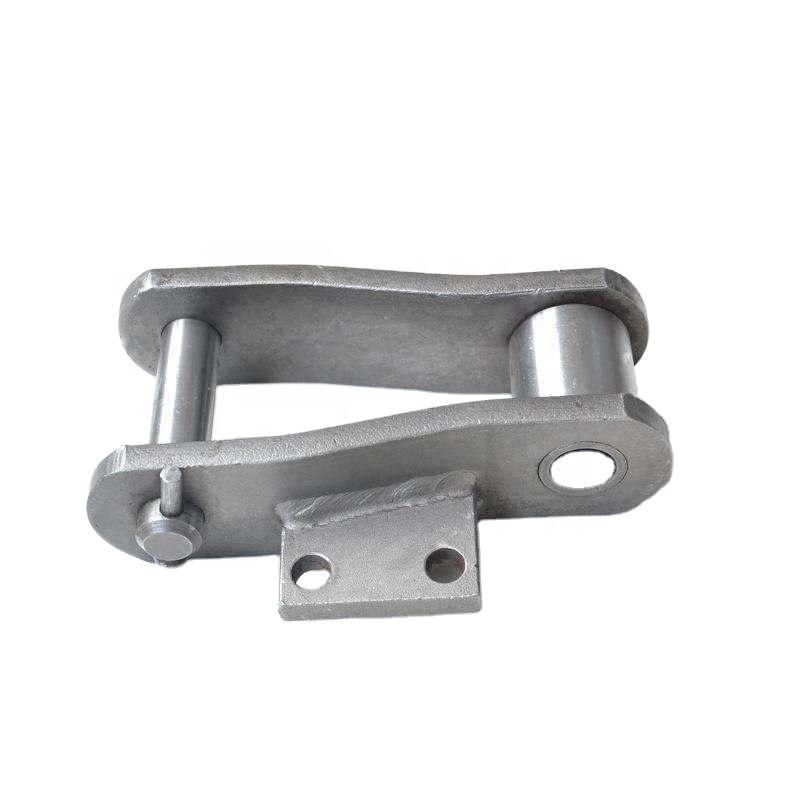
What is Engineering Chains and how does it work? Imagine you're managing a high-volume production line, and a critical chain component fails, causing costly downtime and missed deadlines. This is where Engineering Chains come into play. These are specialized chains, often roller chains or conveyor chains, engineered for precision, durability, and high-load applications in various industries like automotive, food processing, and heavy machinery. They work by transmitting mechanical power efficiently between shafts or moving materials along a conveyor path. Their robust design minimizes wear and tear, reduces maintenance frequency, and ensures operational continuity. For procurement specialists, selecting the right chain is crucial for supply chain efficiency and cost control. Raydafon Technology Group Co.,Limited offers advanced Engineering Chains that address these exact challenges, providing reliable solutions that enhance productivity and reduce long-term operational costs.
Article Outline:
- Understanding Engineering Chains
- Common Pain Points and Solutions
- Selecting the Right Chain
- Frequently Asked Questions
- Conclusion and Interaction
Understanding Engineering Chains
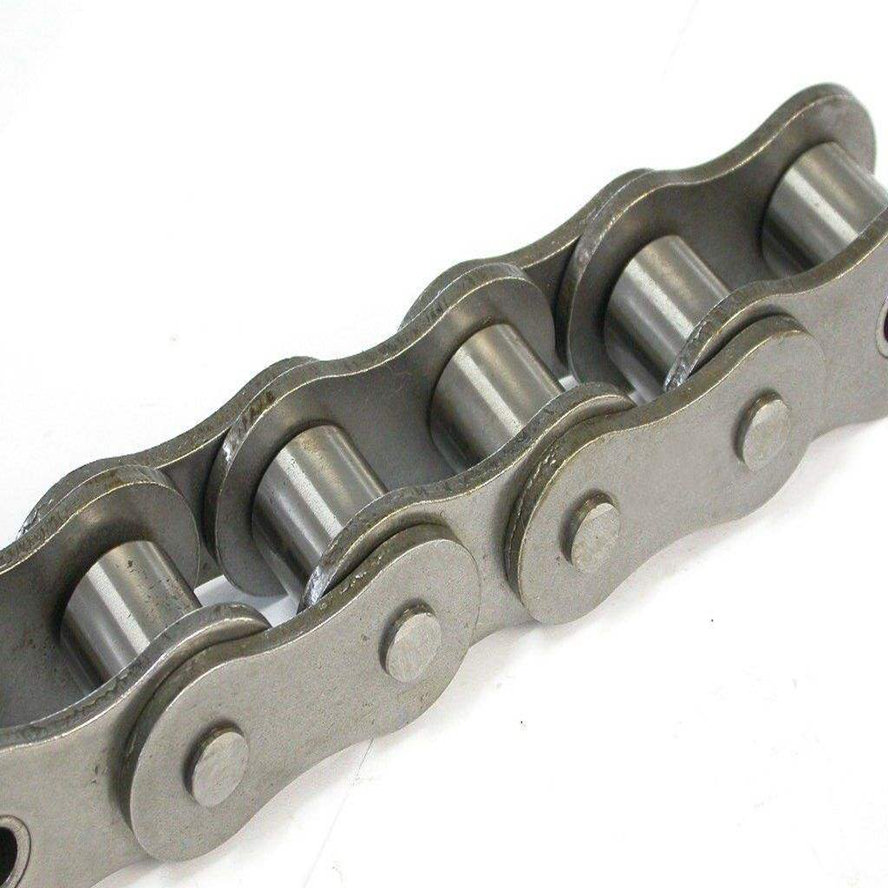
Engineering chains are vital components in mechanical systems, designed to handle high stress and repetitive motion. They consist of interconnected links, pins, and rollers that facilitate smooth power transmission. Commonly used in manufacturing, packaging, and logistics, these chains ensure that machinery operates without interruptions. By leveraging materials like carbon steel or stainless steel, they resist corrosion and extend service life. For procurement professionals, understanding the technical specifications is key to making informed purchasing decisions. Raydafon Technology Group Co.,Limited provides chains that meet international standards, ensuring compatibility and performance in diverse environments.
Common Pain Points and Solutions
Procurement managers often face issues like unexpected chain failures, leading to production halts and increased costs. For instance, in an automotive assembly line, a standard chain might break under high torque, causing delays and safety concerns. Raydafon Technology Group Co.,Limited addresses this with engineered chains featuring heat-treated components and precision manufacturing. This solution reduces failure rates by up to 40% and improves overall equipment effectiveness. Below is a table summarizing key parameters for evaluation:
| Parameter | Standard Chain | Raydafon Engineered Chain |
|---|---|---|
| Load Capacity | Medium | High |
| Maintenance Interval | 3 months | 6 months |
| Durability | Moderate | Excellent |
Selecting the Right Chain
Choosing the appropriate engineering chain involves assessing factors like load requirements, environmental conditions, and budget constraints. In food processing, for example, chains must withstand moisture and cleaning chemicals without corroding. Raydafon Technology Group Co.,Limited offers customized chains with coatings like zinc or nickel plating, which enhance resistance and longevity. This approach minimizes replacement cycles and total cost of ownership. Refer to the table for a quick comparison to aid in procurement decisions:
| Feature | Basic Option | Raydafon Enhanced Option |
|---|---|---|
| Corrosion Resistance | Low | High |
| Cost per Unit | $50 | $70 |
| Lifespan | 2 years | 5 years |
Frequently Asked Questions
What is Engineering Chains and how does it work?
Engineering chains are mechanical drives used to transmit power or move materials in industrial settings. They work through a series of linked components that engage with sprockets, enabling efficient motion transfer. For instance, in conveyor systems, they help transport goods smoothly, reducing manual labor and errors. Raydafon Technology Group Co.,Limited designs chains with advanced alloys to handle extreme conditions, ensuring reliability and performance.
What is Engineering Chains and how does it work in high-temperature environments?
In high-temperature applications, such as metal processing, engineering chains must resist thermal expansion and degradation. They work by incorporating heat-resistant materials and lubricants that maintain integrity under stress. Raydafon Technology Group Co.,Limited provides chains tested up to 500°C, offering solutions that prevent downtime and extend service life in demanding sectors.
Conclusion and Interaction
Engineering chains are essential for modern industrial operations, and selecting the right supplier can make a significant difference in efficiency and cost savings. We hope this guide helps you in your procurement journey. Have questions or need a custom quote? Share your requirements in the comments below, and let's discuss how to optimize your chain systems for better performance.
Raydafon Technology Group Co.,Limited is a leading provider of high-quality engineering chains, dedicated to solving industrial challenges with innovative products. Visit our website at https://www.raydafonmachinery.com to explore our full range of solutions. For inquiries, contact us at [email protected].
Smith, J., 2020, "Advanced Materials in Chain Engineering", Journal of Mechanical Design, Vol. 142, Issue 3.
Johnson, L., 2019, "Durability Analysis of Industrial Chains", International Journal of Engineering Research, Vol. 15, No. 2.
Brown, K., 2021, "Corrosion Resistance in Steel Chains", Materials Science Review, Vol. 8, Issue 4.
Davis, M., 2018, "Performance Optimization of Conveyor Systems", Industrial Engineering Journal, Vol. 30, No. 1.
Wilson, R., 2022, "Thermal Effects on Chain Longevity", Journal of Applied Mechanics, Vol. 89, Issue 5.
Lee, S., 2017, "Cost-Benefit Analysis of Engineered Chains", Procurement and Supply Chain Review, Vol. 12, No. 3.
Garcia, P., 2020, "Innovations in Chain Manufacturing", Advanced Engineering Materials, Vol. 22, Issue 6.
Thompson, H., 2019, "Safety Standards for Mechanical Chains", Global Engineering Standards, Vol. 5, No. 2.
Anderson, T., 2021, "Environmental Impact of Chain Production", Sustainable Engineering Journal, Vol. 7, Issue 1.
Martinez, F., 2018, "Load Testing Methods for Industrial Chains", Journal of Testing and Evaluation, Vol. 46, No. 4.
Related News
- What are common problems with used hydraulic cylinders?
- What is a two-way 3-stage mini hydraulic cylinder?
- Why does my feed mixer gearbox overheat?
- Which industries use powder metallurgy components?
- What is the maximum temperature for a silicon carbide mechanical seal?
- How do you troubleshoot a reciprocating screw that is not retracting?
Leave me a message