- Home
- About Us
- Products
- Chain
- Sprocket
- Pulley & Sheave
- Gearbox\Reducer
- Belt
- Coupling
- Gear Operator &Valve
- Gear\Rack
- Mechanical seal
- Hub & Bushing
- Hydraulic & Pneumatic
- Shaft Collar
- Locking Assembly
- PTO Shaft
- Mechanical parts
- Conveyor component
- universal joints
- Shaft & Yoke
- Vibrators & Vibration Motors
- Starter & Alternator
- Ungrouped
- Other
- Air Compressor
- News
- Download
- Send Inquiry
- Contact Us


What Is the Difference Between Hard Chromium Plating and Decorative Chrome Plating?
At 7:40 a.m., a procurement engineer opens three quotes for a chrome-plated shaft used on a hydraulic press. One supplier promises a mirror finish, another lists a coating thickness, and a third asks for the substrate grade before quoting. The question on the RFQ is simple but expensive to get wrong: What Is the Difference Between Hard Chromium Plating and Decorative Chrome Plating? In a production line, that difference can decide whether a part resists abrasive wear for months or shows pitting, flaking, or dimensional drift in weeks. Decorative chrome is a thin, bright finish built for appearance and mild corrosion protection. Hard chromium plating is a functional engineering coating applied in thicker layers, often followed by precision grinding, to improve wear resistance, rebuild dimensions, and extend service life. For buyers, the decision is not about “more chrome” or “better shine.” It is about coating thickness, substrate preparation, hardness, adhesion, tolerance, salt-spray performance, and total cost per cycle. Raydafon Technology Group Co.,Limited helps procurement teams translate application data into a practical plating specification, compare supplier claims, and avoid over-specifying one finish for the wrong job. The sections below compare the two processes, list parameters, and give a sourcing checklist you can use in your next RFQ.
On this page
- The Core Difference: Engineered Wear Layer vs. Cosmetic Finish
- Hard Chromium Plating: When a Shaft Must Survive Grit, Heat, and Pressure
- Decorative Chrome Plating: When Appearance, Corrosion Resistance, and Cost Balance
- Side-by-Side Parameter Comparison for Procurement Teams
- How Raydafon Technology Group Co.,Limited Solves Sourcing Risk
- Procurement Checklist: RFQ Details That Prevent Costly Mistakes
- Q&A: What Is the Difference Between Hard Chromium Plating and Decorative Chrome Plating?
- Talk to Raydafon About Your Chrome Plating Specification
The Core Difference: Engineered Wear Layer vs. Cosmetic Finish
A buyer often sees the same word, “chrome,” on two drawings and assumes both suppliers are quoting the same process. The pain appears later: a decorative finish is specified for a sliding wear part, or a heavy hard-chrome layer is requested for a visible trim piece that only needs a bright surface. The result is either premature wear, flaking, or unnecessary cost. The solution is to classify the coating by function before comparing price. Hard chromium plating is a functional coating: it is usually applied at a higher thickness, often on steel or cast iron, and may be ground or honed after plating to hold critical dimensions. Decorative chrome plating is a finishing system: it is thin, bright, and normally deposited over nickel or a multilayer undercoat to protect appearance and provide mild corrosion resistance. For procurement teams, the first filter should be application, not finish. If the part must resist abrasion, impact, heat, or repeated sliding contact, hard chromium deserves evaluation. If the part must sell on appearance, resist handling marks, and meet cosmetic standards, decorative chrome is usually the better fit.
| Attribute | Hard Chromium Plating | Decorative Chrome Plating |
|---|---|---|
| Primary purpose | Wear resistance, dimensional restoration, release, corrosion support | Bright appearance, cosmetic appeal, mild corrosion protection |
| Typical coating thickness | Often 20–250 µm, application dependent | Often 0.1–1.0 µm chromium over nickel |
| Substrate focus | Steel, cast iron, some nonferrous alloys | Steel, zinc die cast, ABS plastic, brass, copper alloys |
| Post-plate machining | Common; grinding and polishing to tolerance | Usually none; appearance and coverage are critical |
| Buyer risk if misapplied | Cost, hydrogen embrittlement, grinding cracks, thickness variation | Wear-through, pitting, blistering, cosmetic rejects |
Hard Chromium Plating: When a Shaft Must Survive Grit, Heat, and Pressure
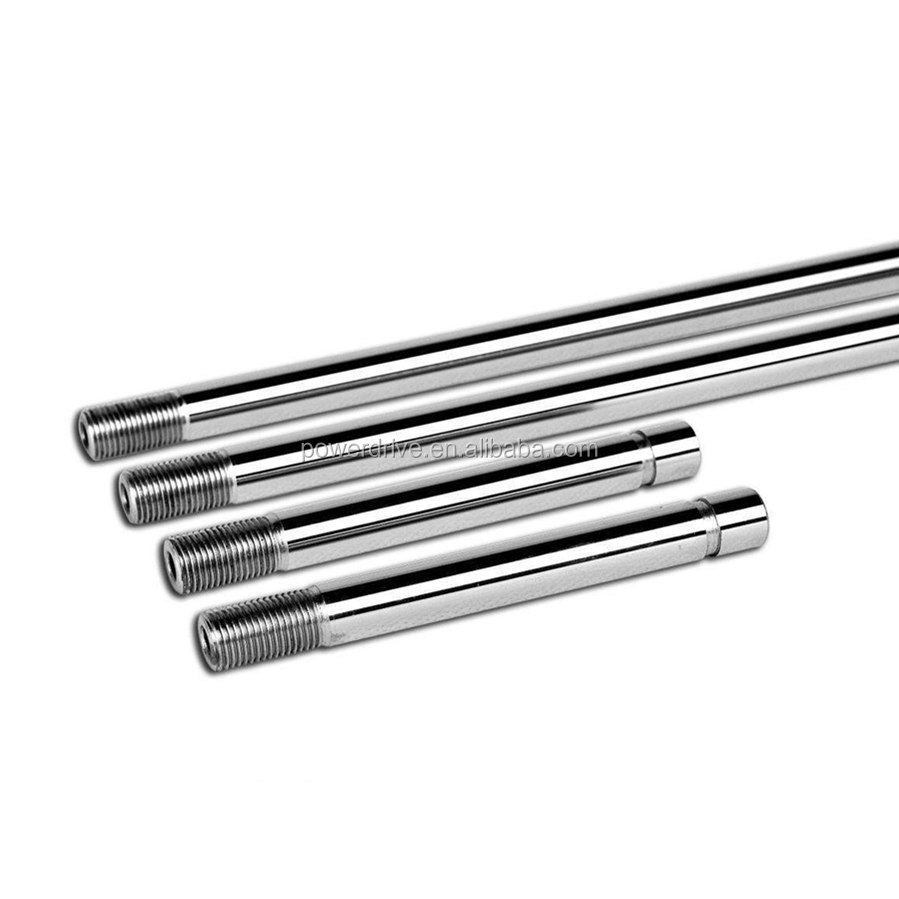
Imagine a hydraulic rod in a dusty quarry, a paper-mill roll running under load, or a mold core that must release hot plastic cycle after cycle. The maintenance team sees scoring, rust spots, and dimensional loss. Purchasing receives an urgent request for “chrome plating” without enough detail to quote correctly. The practical solution is to treat hard chromium as an engineered surface system. The buyer should confirm substrate grade, pre-plate preparation, coating thickness range, required hardness, adhesion expectation, hydrogen embrittlement relief, and post-plate grinding allowance. Raydafon Technology Group Co.,Limited works with procurement teams to convert operating conditions into a measurable plating specification, so suppliers quote the same scope and inspection method. This prevents a low initial price from turning into rework, line stoppage, or premature replacement. Hard chromium is not a cosmetic upgrade; it is a wear solution that must be controlled through process discipline and final inspection.
| Parameter | Typical RFQ Range | Question to Ask Suppliers | Risk If Ignored |
|---|---|---|---|
| Coating thickness | 20–250 µm, by application | Where is thickness measured and what is the minimum? | Wear-through or dimensional mismatch |
| Substrate and pre-treatment | Steel, cast iron, alloy grade stated | What cleaning, masking, and activation steps are used? | Poor adhesion, blistering, flaking |
| Hardness | Typically 800–1100 HV, process dependent | Is hardness measured on the part or a coupon? | Lower wear life than expected |
| Grinding allowance | 0.02–0.15 mm, drawing dependent | Is post-plate grinding included in the quote? | Tolerance failure and extra handling |
| Hydrogen embrittlement relief | Required for many high-strength steels | What bake time and temperature are documented? | Cracking or delayed failure |
Decorative Chrome Plating: When Appearance, Corrosion Resistance, and Cost Balance
A sourcing team for bathroom fittings or automotive trim reviews samples under showroom lighting. The pain point is not wear depth; it is visible pitting, cloudy nickel, edge burn, or color mismatch after a few weeks in humid storage. The solution is to specify the full decorative system, not just the final chromium layer. Decorative chrome usually depends on a nickel underlayer or multilayer nickel system for corrosion performance and brightness. Buyers should confirm substrate finish, nickel thickness, chromium thickness, racking position, masking requirements, salt-spray test method, and cosmetic acceptance criteria. Raydafon Technology Group Co.,Limited helps buyers separate appearance requirements from functional coating requirements, so decorative parts are not over-engineered and wear parts are not under-protected. When the application is visible but lightly handled, decorative chrome can deliver the right balance of finish and cost. When the part also faces abrasion or heavy corrosion, the drawing should state that additional protection is needed.
| Parameter | Typical Decorative Specification | Buyer Check |
|---|---|---|
| Chromium layer | Approx. 0.1–1.0 µm | Is the chromium thickness tied to appearance or corrosion? |
| Nickel system | Single, double, or multilayer nickel | What nickel thickness supports the salt-spray target? |
| Substrate finish | Polished or pre-finished surface | Are scratches and polishing lines controlled before plating? |
| Corrosion test | Neutral salt spray or customer standard | Which surface and edges are judged? |
| Cosmetic acceptance | Bright, uniform, no pits or blisters | Is there a photo standard for visible and hidden areas? |
Side-by-Side Parameter Comparison for Procurement Teams
When quotes arrive from different regions, the same phrase can hide different processes. One supplier may quote a thin bright chromium deposit over nickel; another may quote a thick functional deposit with grinding. The procurement solution is to compare parameters in one table and send the same RFQ structure to every supplier. This makes price comparison meaningful and gives quality teams a clear inspection basis. For users searching product information such as What Is the Difference Between Hard Chromium Plating and Decorative Chrome Plating?, this comparison is the fastest way to align engineering, purchasing, and quality. Raydafon Technology Group Co.,Limited can review the application, identify the correct coating family, and help define acceptance criteria before orders are placed.
| Comparison Point | Hard Chromium Plating | Decorative Chrome Plating | Why the Buyer Cares |
|---|---|---|---|
| Function | Wear, rebuild, release, durability | Appearance, bright finish, mild corrosion | Prevents wrong-process quoting |
| Thickness | Thick, often ground after plating | Thin, usually over nickel | Controls life and cost |
| Inspection | Thickness, hardness, adhesion, dimensions | Appearance, adhesion, salt spray | Defines accept/reject criteria |
| Common failure | Grinding cracks, edge build-up, poor bonding | Pitting, blistering, wear-through | Targets supplier process control |
| Best sourcing action | Provide load, fit, and machining data | Provide cosmetic photos and corrosion standard | Reduces sample iterations |
How Raydafon Technology Group Co.,Limited Solves Sourcing Risk
A common buying scenario is a new project with a tight launch date. Engineering knows the part must last, but the RFQ only says “chrome plate.” Multiple suppliers respond with different thicknesses and no inspection plan. The solution is a controlled sourcing path that connects application data, plating specification, sample approval, and batch inspection. Raydafon Technology Group Co.,Limited supports global buyers by clarifying the correct plating category, reviewing drawings and tolerances, aligning test methods, and helping prevent mismatches between decorative and functional requirements. For procurement teams, the value is fewer clarification cycles, more comparable quotes, and a clearer route from sample to production. The goal is not to add paperwork; it is to make the specification precise enough that quality can be measured and cost can be compared fairly.
| Buyer Pain | Raydafon Control Point | Output for the Buyer |
|---|---|---|
| Unclear plating type | Application review against wear, appearance, and corrosion needs | Recommended coating family and thickness range |
| Quotes hard to compare | Standardized RFQ parameters and inspection items | Like-for-like supplier comparison |
| Sample passes, batch fails | Process controls, masking review, and acceptance criteria | Clear inspection and approval basis |
| High total cost after rework | Early specification review and grinding allowance check | Lower risk of scrap and line delays |
Procurement Checklist: RFQ Details That Prevent Costly Mistakes
The most expensive mistake is often not the plating price; it is the missing detail in the inquiry. A shaft drawing may show final dimensions but not the pre-plate allowance. A trim part may show a bright finish but not the salt-spray standard. The solution is a short but disciplined RFQ checklist. State the function, substrate, coating thickness, critical dimensions, post-plate operations, corrosion test, cosmetic standard, packaging, and approval method. Raydafon Technology Group Co.,Limited encourages buyers to include photos of acceptable and unacceptable surfaces, especially for decorative parts, and to state whether the chromium layer is functional or cosmetic. This simple step reduces disputes and helps suppliers price accurately.
| RFQ Item | What to State | Acceptance Method |
|---|---|---|
| Application | Sliding wear, mold release, trim appearance, corrosion exposure | Engineering sign-off on function |
| Coating type | Hard chromium or decorative chrome system | Process sheet and sample approval |
| Thickness | Minimum, target, and measurement location | Coating thickness gauge or coupon |
| Dimensions | Final size, grinding allowance, critical tolerance | Dimensional report |
| Corrosion and appearance | Salt-spray hours, visible surfaces, photo limits | Test report and visual inspection standard |
Q&A: What Is the Difference Between Hard Chromium Plating and Decorative Chrome Plating?
What Is the Difference Between Hard Chromium Plating and Decorative Chrome Plating? in one purchasing sentence?
Hard chromium plating is a thicker functional coating used for wear resistance and dimensional restoration, often followed by grinding, while decorative chrome plating is a thin bright finish used mainly for appearance and mild corrosion protection, usually over a nickel underlayer. For procurement, the key difference is the acceptance specification: hard chrome is judged by thickness, hardness, adhesion, and final dimensions; decorative chrome is judged by appearance, coverage, adhesion, and salt-spray performance.
Can decorative chrome be used when the part needs wear resistance and corrosion protection?
Usually not as a direct substitute. Decorative chrome is thin and can wear through under sliding contact or abrasive service. If the part must resist wear, rebuild dimensions, or survive harsh corrosion, the drawing should specify hard chromium plating or an engineered coating system. Raydafon Technology Group Co.,Limited can review the operating conditions and help buyers decide whether hard chromium, decorative chrome, or a combined finish is the better sourcing choice.
Talk to Raydafon About Your Chrome Plating Specification
Send your drawing, application conditions, target thickness, and inspection standard to Raydafon Technology Group Co.,Limited, and the team can help you compare hard chromium plating and decorative chrome plating for your project. Raydafon Technology Group Co.,Limited is a supplier focused on practical plating and machining solutions for global procurement teams, supporting buyers with specification review, sample coordination, and production quality communication. Visit https://www.raydafonmachinery.com to learn more, or contact [email protected] for a specification review and quotation discussion.
Research References
Mandich, N. V., 1997. Troubleshooting decorative chromium plating processes. Metal Finishing, 95(10).
Zeng, Z., Liang, J., 2019. Corrosion and wear resistance of hard chromium coatings for hydraulic rods. Surface Engineering, 35(4).
Zhang, P., Wang, Y., Chen, X., 2021. Thickness optimization of hard chromium plating in remanufacturing. Journal of Manufacturing Processes, 64.
Liu, H., Zhao, M., 2018. Adhesion failure analysis of decorative chrome on ABS substrates. Progress in Organic Coatings, 125.
Singh, R., Kumar, A., 2020. Comparative study of hard chrome and decorative chrome in automotive components. Materials Today: Proceedings, 26.
García, M. A., López, J. R., 2017. Salt spray performance of decorative chromium multilayers. Surface & Coatings Technology, 328.
Chen, L., Yang, Q., 2022. Precision grinding of hard chromium plated shafts for dimensional restoration. International Journal of Advanced Manufacturing Technology, 118(5–6).
Ahmed, S., Rahman, M., 2016. Current density effects on crack density in hard chromium electrodeposits. Transactions of the IMF, 94(3).
Kim, D., Park, S., 2015. Hydrogen embrittlement control in hard chromium plating of high-strength steel. Metals and Materials International, 21(2).
Rossi, F., Bianchi, G., 2014. Cost and environmental comparison of decorative and functional chromium plating. Journal of Cleaner Production, 66.
Previous :
-
Related News
- What oil capacity does a T90INV Bales Gearbox require?
- What are common problems with used hydraulic cylinders?
- What is a two-way 3-stage mini hydraulic cylinder?
- Why does my feed mixer gearbox overheat?
- Which industries use powder metallurgy components?
- What is the maximum temperature for a silicon carbide mechanical seal?
Leave me a message
New Products
News Recommendations