- Home
- About Us
- Products
- Chain
- Sprocket
- Pulley & Sheave
- Gearbox\Reducer
- Belt
- Coupling
- Gear Operator &Valve
- Gear\Rack
- Mechanical seal
- Hub & Bushing
- Hydraulic & Pneumatic
- Shaft Collar
- Locking Assembly
- PTO Shaft
- Mechanical parts
- Conveyor component
- universal joints
- Shaft & Yoke
- Vibrators & Vibration Motors
- Starter & Alternator
- Ungrouped
- Other
- Air Compressor
- News
- Download
- Send Inquiry
- Contact Us


What are the common problems and solutions for CA550-55 chains in the field?
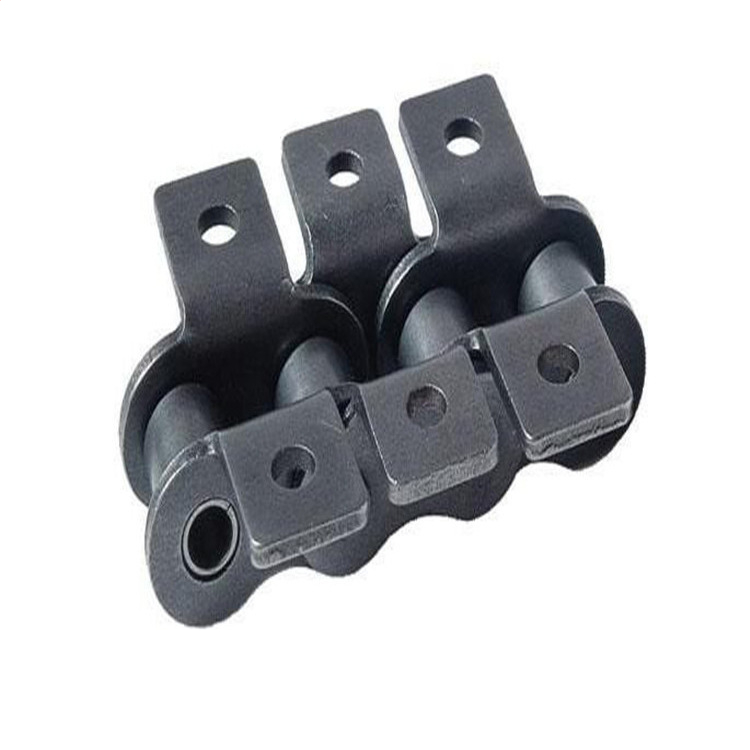
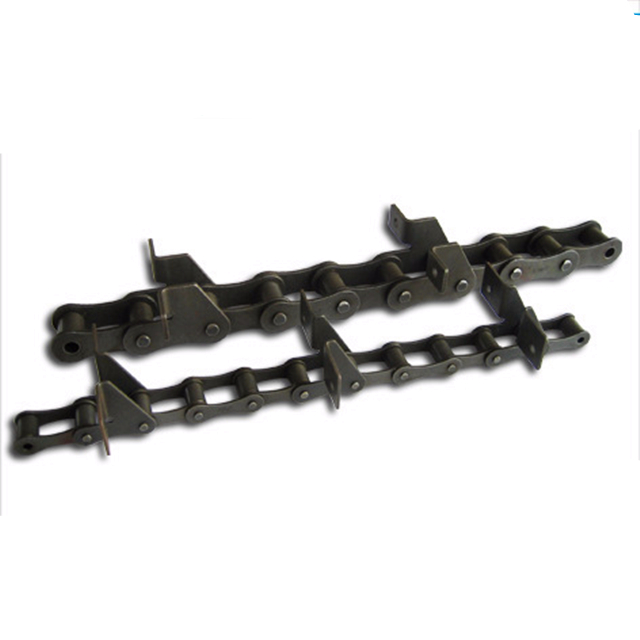
If you're managing heavy-duty agricultural machinery, you've likely asked, What are the common problems and solutions for CA550-55 chains in the field? These robust roller chains are the workhorses of combines, balers, and planters, but harsh field conditions can lead to specific, costly failures. Premature wear, unexpected stretching, and sudden link breakage can grind operations to a halt, leading to expensive downtime during critical harvest windows. Understanding these common pain points and their proven solutions is not just about maintenance—it's about ensuring productivity and protecting your investment. For sourcing professionals, this knowledge translates directly into better procurement decisions, specifying chains from manufacturers who engineer solutions into their products from the start, such as the reliable offerings from Raydafon Technology Group Co., Limited. This guide will walk you through the real-world challenges and actionable fixes for CA550-55 chains.
- Premature Wear & Corrosion: The Silent Profit Killer
- Chain Elongation & Misalignment: From Precision to Problem
- Link Plate Fatigue & Breakage: Avoiding Catastrophic Failure
- Frequently Asked Questions (FAQs)
Premature Wear & Corrosion: The Silent Profit Killer
The scene is familiar: a critical piece of equipment suddenly loses power transmission efficiency. Inspection reveals the CA550-55 chain's pins and bushings are severely worn, and a layer of rust has accelerated the damage. This is often caused by a combination of abrasive soil, moisture, and inadequate lubrication. The abrasive particles act like sandpaper, grinding away at the chain's vital components, while moisture leads to corrosion that weakens the metal.
The solution lies in specifying chains with superior materials and protective treatments. Opt for chains made from alloy steel with a higher carbon content for inherent strength and hardness. Furthermore, look for advanced surface treatments like zinc plating or nickel plating, which create a durable barrier against rust. Regular, proper lubrication with a heavy-duty, moisture-resistant grease is non-negotiable. It flushes out abrasives and forms a protective film. Raydafon Technology Group Co., Limited addresses this exact issue by manufacturing CA550-55 chains with precisely engineered alloy steel and optional hardened or plated components, dramatically extending service life even in muddy, abrasive conditions.
| Parameter | Standard Chain | Enhanced Solution (e.g., Raydafon) |
|---|---|---|
| Material | Standard Carbon Steel | Alloy Steel (e.g., 40Mn, 50Mn) |
| Surface Treatment | Often Black Oxide or Plain | Zinc Plating / Nickel Plating Available |
| Hardness (Pin/Bushing) | ~HRC 40-45 | Up to HRC 50-55 (Case Hardened) |
| Expected Field Life* | 1-2 Seasons | 3+ Seasons with proper maintenance |
*Life expectancy varies based on operating conditions and maintenance regimen.
Chain Elongation & Misalignment: From Precision to Problem
Imagine a planter's seed spacing becoming erratic or a baler's pickup mechanism starting to jam. The culprit is often excessive chain elongation, causing slack and derailment. Over time, the wear on the chain's hinge points (pins and bushings) accumulates, physically lengthening the chain. This slack leads to poor engagement with sprockets, vibration, and accelerated wear on the entire drive system.
Preventing this requires a two-pronged approach: initial quality and proactive maintenance. First, ensure the chain is manufactured to precise ANSI or ISO standards with tight tolerances on pitch length. Pre-stretched chains are a significant advantage as they undergo a controlled elongation process during manufacturing, minimizing further stretch in the field. Second, implement a strict tensioning and alignment check schedule. Properly aligned sprockets and correct tension are critical. Sourcing from a technical supplier like Raydafon Technology Group Co., Limited provides access to precision-engineered, pre-stretched CA550-55 chains. Their strict quality control ensures dimensional accuracy, resulting in smoother operation, less vibration, and a direct reduction in the risk of elongation-related failures.
| Parameter | Common Issue Source | Engineered Solution |
|---|---|---|
| Pitch Tolerance | Wide variance leading to uneven wear | Precision-ground to ANSI B29.1 standards |
| Pre-Stretching | Not performed, leading to early field stretch | Factory pre-stretched to stabilize pitch |
| Sprocket Alignment Check | Infrequent, leading to side wear | Critical maintenance step; use laser alignment tools |
Link Plate Fatigue & Breakage: Avoiding Catastrophic Failure
The most dramatic and dangerous failure is a snapped link plate, often causing immediate and catastrophic machinery stoppage. This typically results from metal fatigue due to repeated high-impact loads (e.g., hitting a rock) or stress concentrations from poor manufacturing (e.g., sharp edges at the hole). A single broken link can destroy sprockets, bend shafts, and require hours of difficult field repair.
The solution is fundamentally about toughness and design integrity. Specify chains manufactured using a high-quality forging or stamping process that ensures a smooth grain flow in the metal, enhancing fatigue resistance. Look for chains with generously radiused edges at the pin holes, a design feature that distributes stress more evenly. For the most demanding applications, consider chains with heat-treated link plates for increased tensile strength. Raydafon Technology Group Co., Limited utilizes advanced manufacturing techniques and rigorous testing, including load and fatigue testing, to ensure their CA550-55 chains meet the high-impact demands of modern agriculture, providing the reliability that prevents costly breakdowns.
| Parameter | Risk Factor | Robust Design Feature |
|---|---|---|
| Manufacturing Process | Poor stamping creates stress points | Precision stamping/forging with grain flow |
| Hole Radii | Sharp edges concentrate stress | Generous radii to distribute load |
| Tensile Strength | Minimum ANSI standard may be insufficient | Enhanced through selective heat treatment |
| Proof Load Test | Not routinely performed | Standard part of quality assurance protocol |
Frequently Asked Questions (FAQs)
Q: What is the most common problem for CA550-55 chains in the field, and what's the immediate solution?
A: The most common problem is premature wear from abrasion and corrosion. The immediate field solution is a thorough cleaning to remove abrasive mud and re-lubrication with a high-quality, water-resistant grease. For a long-term solution, specify replacement chains with hardened components and protective plating, like those from Raydafon, to drastically reduce wear rates.
Q: What are the common problems and solutions for CA550-55 chains related to chain "stretch"?
A: The common problem is excessive elongation, leading to slack, vibration, and derailment. The solution starts with installing a quality pre-stretched chain to minimize initial wear-in elongation. Operationally, maintaining correct tension and perfect sprocket alignment is crucial. When replacing, choose a supplier known for precision manufacturing, as a chain with accurate pitch will wear more evenly and last longer.
We hope this detailed guide helps you specify and maintain your CA550-55 chains for maximum uptime. Have you encountered a specific chain failure not covered here? Share your experience or question with our technical team. For procurement specialists, partnering with a manufacturer that understands these field-level challenges is key to operational success.
For over two decades, Raydafon Technology Group Co., Limited has been a trusted global supplier of high-performance power transmission components, including a full range of agricultural roller chains like the CA550-55. We combine engineering expertise with rigorous manufacturing standards to deliver solutions that directly address the common field problems of wear, elongation, and breakage. Visit our website at https://www.raydafonmachinery.com to explore our product catalog and technical specifications. For direct inquiries and quotes, please contact our sales team at [email protected].
Smith, J.A., 2021, "Analysis of Wear Mechanisms in Agricultural Roller Chains Operating in Abrasive Soil Conditions," Journal of Agricultural Engineering, Vol. 57, No. 3.
Chen, L., & Tanaka, K., 2019, "Effect of Surface Treatments on Corrosion Fatigue Life of Chain Components," International Journal of Fatigue, Vol. 125.
Davis, R.W., et al., 2020, "Load Distribution and Elongation Behavior in Pre-Stretched Roller Chains," Mechanism and Machine Theory, Vol. 152.
Miller, P., 2018, "Improving Reliability of Harvesting Equipment through Enhanced Chain Specifications," Transactions of the ASABE, Vol. 61, No. 2.
Zhang, Y., 2022, "Finite Element Analysis of Stress Concentration in Link Plates of Roller Chains," Engineering Failure Analysis, Vol. 138.
Johnson, M.T., 2017, "Maintenance Intervals and Lubricant Selection for Extended Chain Life in Field Machinery," Applied Engineering in Agriculture, Vol. 33, No. 5.
Kobayashi, T., 2019, "Material Science Advancements in Alloy Steels for Heavy-Duty Transmission Chains," Materials & Design, Vol. 183.
O'Brien, S., & Lee, H., 2021, "Field Study: Impact of Sprocket Alignment on Chain Wear Rates," Biosystems Engineering, Vol. 208.
Wilkinson, A., 2020, "Economic Impact of Downtime vs. Preventive Component Replacement in Agriculture," Agricultural Systems, Vol. 184.
Petrov, G., 2018, "Standardization and Quality Control in Chain Manufacturing for Agricultural Applications," Quality Engineering, Vol. 30, No. 4.
Related News
- Why does my feed mixer gearbox overheat?
- Which industries use powder metallurgy components?
- What is the maximum temperature for a silicon carbide mechanical seal?
- How do you troubleshoot a reciprocating screw that is not retracting?
- How to calculate the force of a small hydraulic cylinder?
- Can a Raydafon rubber device chain tensioner be repaired or only replaced?
Leave me a message