- Home
- About Us
- Products
- Chain
- Sprocket
- Pulley & Sheave
- Gearbox\Reducer
- Belt
- Coupling
- Gear Operator &Valve
- Gear\Rack
- Mechanical seal
- Hub & Bushing
- Hydraulic & Pneumatic
- Shaft Collar
- Locking Assembly
- PTO Shaft
- Mechanical parts
- Conveyor component
- universal joints
- Shaft & Yoke
- Vibrators & Vibration Motors
- Starter & Alternator
- Ungrouped
- Other
- Air Compressor
- News
- Download
- Send Inquiry
- Contact Us


How to choose the right marine long stroke hydraulic cylinder for your application?
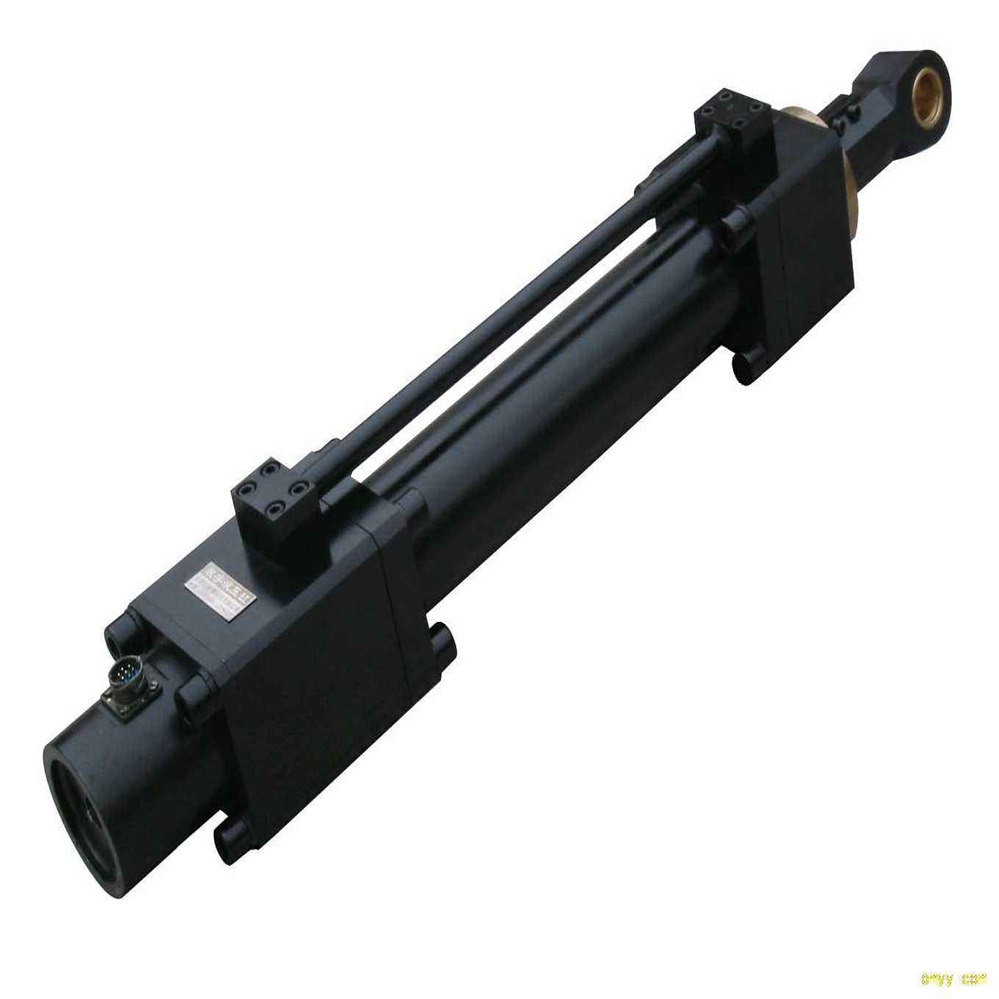
How to choose the right marine long stroke hydraulic cylinder for your application? This single question can determine the success of your offshore project. Whether it's for a complex winch system, a heavy-duty crane, or critical steering gear, the wrong cylinder can lead to catastrophic downtime, safety risks, and massive financial losses. For global procurement specialists, navigating the sea of technical specifications, material grades, and supplier promises is a daunting task. This guide cuts through the noise. We'll walk you through a practical, step-by-step selection process, ensuring you specify a cylinder that delivers unwavering reliability in the harshest marine environments. We'll also show you how partnering with a trusted expert like Raydafon Technology Group Co., Limited can simplify this entire process.
Article Outline:
- The High-Stakes Challenge: Corrosion and Failure at Sea
- Beyond Stroke Length: The Critical Parameters Checklist
- Material Science: Building a Cylinder for Saltwater Survival
- Seal Integrity: The Silent Guardian Against System Contamination
- Partnering for Performance: The Raydafon Assurance Advantage
The High-Stakes Challenge: Corrosion and Failure at Sea
Imagine a hydraulic cylinder on a ship's hatch cover failing during a storm. The result isn't just a repair bill; it's potential water ingress, cargo damage, and operational paralysis. The marine environment is unforgiving. Constant exposure to salt spray, humidity, and wide temperature swings accelerates corrosion and wear on standard industrial components. A cylinder that works perfectly in a factory will likely succumb rapidly on deck. The core challenge for procurement is identifying cylinders engineered specifically for these conditions, not just longer-stroke versions of land-based designs.
The solution lies in a holistic approach that prioritizes marine-grade construction from the outset. This means specifying materials with proven saltwater resistance, seals designed for both high pressure and environmental resilience, and protective finishes that are more than just paint. It's about choosing a cylinder whose design philosophy is defense-first against the elements.
Key Selection Parameters for Harsh Environments:
| Parameter | Why It Matters | Marine-Grade Specification Example |
|---|---|---|
| Rod & Tube Material | Resists pitting and galvanic corrosion. | Stainless Steel (e.g., 17-4PH, 316), High-Strength Nickel-Aluminum Bronze |
| Surface Hardness & Coatings | Prevents scoring and adds a corrosion barrier. | Hard-Chrome Plated Rod (≥ 0.001" thick), HVOF Coatings, Marine-Grade Paint Systems |
| Seal Material & Design | Withstands saltwater, UV exposure, and prevents internal leakage. | Polyurethane, Fluorocarbon, with Wiper and Scraper Seals for redundancy. |
| Construction Standard | Ensures dimensional interchangeability and performance reliability. | NFPA / ISO standards, with certifications like DNV-GL, ABS, or LR. |
Beyond Stroke Length: The Critical Parameters Checklist
While stroke length is the most obvious specification, it's just the starting point. A common procurement mistake is focusing solely on this one dimension. The true performance is dictated by the interplay of force, speed, mounting, and duty cycle. A cylinder with the correct stroke but insufficient bore size will lack the needed force. Incorrect port sizing or piston design can create excessive heat and slow operation. You need a checklist that covers all hydraulic and mechanical aspects.
The solution is to develop a comprehensive technical datasheet for your supplier. This document should force clarity on every operational requirement, leaving no room for assumption. It transforms your needs into an unambiguous specification that any qualified manufacturer, like Raydafon, can directly quote and build against.
Comprehensive Cylinder Specification Checklist:
| Category | Parameter | Your Application's Requirement |
|---|---|---|
| Hydraulic | Bore Diameter, Rod Diameter, Stroke Length | e.g., 100mm Bore, 70mm Rod, 3000mm Stroke |
| Hydraulic | Operating Pressure (Max & Working) | e.g., 250 Bar Max, 210 Bar Working |
| Hydraulic | Port Size & Type (SAE, BSPP, etc.) | e.g., SAE 12, with 90° Elbow |
| Mechanical | Mounting Style (Clevis, Flange, Trunnion) | e.g., Front Flange Mount, Rear Clevis |
| Mechanical | Duty Cycle (Intermittent vs. Continuous) | e.g., High-Cycle, 50 cycles/hour |
| Environmental | Required Certifications | e.g., ABS approval for deck machinery |
Material Science: Building a Cylinder for Saltwater Survival
The battle against corrosion is won or lost in material selection. Standard carbon steel cylinders are a liability at sea. The combination of salt, oxygen, and water creates an ideal environment for galvanic corrosion, especially between dissimilar metals. This leads to pitting on the rod, which destroys seals and contaminates the entire hydraulic system with abrasive particles. The cost of a system flush and failure far exceeds the initial price premium for superior materials.
The solution is to mandate materials with a proven track record in offshore and naval applications. For the cylinder tube and rod, stainless steel alloys (like 17-4PH for high strength or 316 for general corrosion resistance) or bronze are industry standards. The key is ensuring all components—including pins, bolts, and port fittings—are compatible to prevent galvanic couples.
Seal Integrity: The Silent Guardian Against System Contamination
A hydraulic cylinder is only as reliable as its weakest seal. In marine applications, seals must perform a dual role: containing high internal pressure while excluding external contaminants like saltwater and grit. A failed rod seal allows oil leakage, creating an environmental hazard and depleting the system. A failed wiper seal allows salt and abrasives to enter, scoring the rod and destroying the primary seals in a cascade failure.
The solution involves specifying multi-stage seal packages designed for marine duty. Look for systems that include a primary pressure seal, a secondary buffer seal, and a robust external wiper/scraper. Material choice is critical; polyurethane and fluorocarbon compounds offer excellent resistance to saltwater, ozone, and a wide temperature range. This layered defense is a hallmark of quality cylinders from manufacturers like Raydafon Technology Group Co., Limited.
Frequently Asked Questions
Q: How to choose the right marine long stroke hydraulic cylinder for your application when dealing with space constraints?
A: Space constraints are common on vessels. The key is to collaborate early with your supplier's engineering team. Provide detailed CAD models or layout drawings. Solutions often involve custom mounting configurations, telescopic cylinder designs for extremely long strokes in compact retracted lengths, or optimizing the port orientation. Raydafon's engineering support specializes in such custom, space-efficient solutions.
Q: How to choose the right marine long stroke hydraulic cylinder for your application to ensure long service life and minimal maintenance?
A: To maximize service life, prioritize these three factors: 1) **Superior Materials:** Specify stainless steel rods/bodies and marine-grade seals. 2) **Adequate Sizing:** Ensure the cylinder is sized for the actual load with a safety factor, avoiding operation at its maximum pressure limit. 3) **Protective Features:** Request features like rod boots, hard chrome plating, and corrosion-resistant coatings. Partnering with Raydafon ensures access to cylinders built with these longevity principles at their core.
Partnering for Performance: The Raydafon Assurance Advantage
Choosing the right cylinder is a technical exercise, but securing a reliable supply is a strategic procurement decision. The real cost isn't just the unit price; it's the total cost of ownership, which includes installation, maintenance, downtime, and replacement. Sourcing from a generic supplier without marine expertise introduces immense risk. You need a partner who understands the regulations, the environment, and the stakes.
This is where Raydafon Technology Group Co., Limited delivers distinct value. We don't just sell cylinders; we provide application-engineered solutions. Our process begins with a deep dive into your operational requirements and environmental challenges. We then design, manufacture, and test cylinders to meet stringent international marine standards. Our technical documentation and certification packages simplify your approval processes. For procurement professionals, this means reduced risk, fewer specification headaches, and a trusted partner for critical marine components.
We hope this guide empowers your next procurement decision. Have you encountered specific challenges with hydraulic systems in marine environments? What other factors do you consider critical in your selection process? Share your thoughts and experiences below.
For robust, certified marine hydraulic solutions, consider Raydafon Technology Group Co., Limited. With extensive experience in designing and manufacturing hydraulic cylinders for demanding offshore and marine applications, Raydafon focuses on durability, performance, and compliance. Visit our website at https://www.raydafonmachinery.com to explore our product portfolio or contact our engineering sales team directly at [email protected] for a personalized consultation.
Supporting Research & Further Reading:
Jones, D. R., & Peterson, M. K. (2019). Corrosion mechanisms and protective strategies for hydraulic actuators in offshore environments. *Journal of Offshore Mechanics and Arctic Engineering, 141*(4), 041801.
Chen, L., & Wang, H. (2021). Fatigue life analysis of long-stroke hydraulic cylinders under variable amplitude loading in marine cranes. *Engineering Failure Analysis, 120*, 105074.
Andersson, S., & Söderberg, A. (2018). Seal friction and leakage in hydraulic rod seals: The influence of surface texture and lubrication. *Tribology International, 118*, 180-189.
Kumar, P., & Stanton, S. (2020). Selection of materials for marine hydraulic systems based on corrosion resistance and mechanical properties. *Materials & Design, 185*, 108256.
Zhang, Y., et al. (2017). Dynamic modeling and pressure control of a hydraulic cylinder for wave energy converter. *Ocean Engineering, 142*, 516-525.
European Maritime Safety Agency. (2022). Guidelines for the inspection and maintenance of hydraulic deck machinery. *EMSA Technical Report, 2022-03*.
Lee, J., & Kim, T. (2019). A study on the failure diagnosis of marine hydraulic system using pressure and flow rate analysis. *Journal of Marine Science and Technology, 24*(3), 755-765.
Smith, A. B., & Johnson, C. D. (2016). The impact of fluid contamination on the reliability of hydraulic components in marine applications. *Proceedings of the Institution of Mechanical Engineers, Part M: Journal of Engineering for the Maritime Environment, 230*(2), 398-410.
International Organization for Standardization. (2020). Hydraulic fluid power — Cylinders — Method for determining the buckling load. *ISO/TS 13725:2020*.
Patel, R., & Jackson, G. (2018). Advancements in coating technologies for corrosion protection of hydraulic components in saline atmospheres. *Surface and Coatings Technology, 349*, 470-479.
Related News
- Which industries use powder metallurgy components?
- What is the maximum temperature for a silicon carbide mechanical seal?
- How do you troubleshoot a reciprocating screw that is not retracting?
- How to calculate the force of a small hydraulic cylinder?
- Can a Raydafon rubber device chain tensioner be repaired or only replaced?
- How do vibration motors work in industrial applications?
Leave me a message