News

What materials are timing belt pulleys made from?

2025-10-31

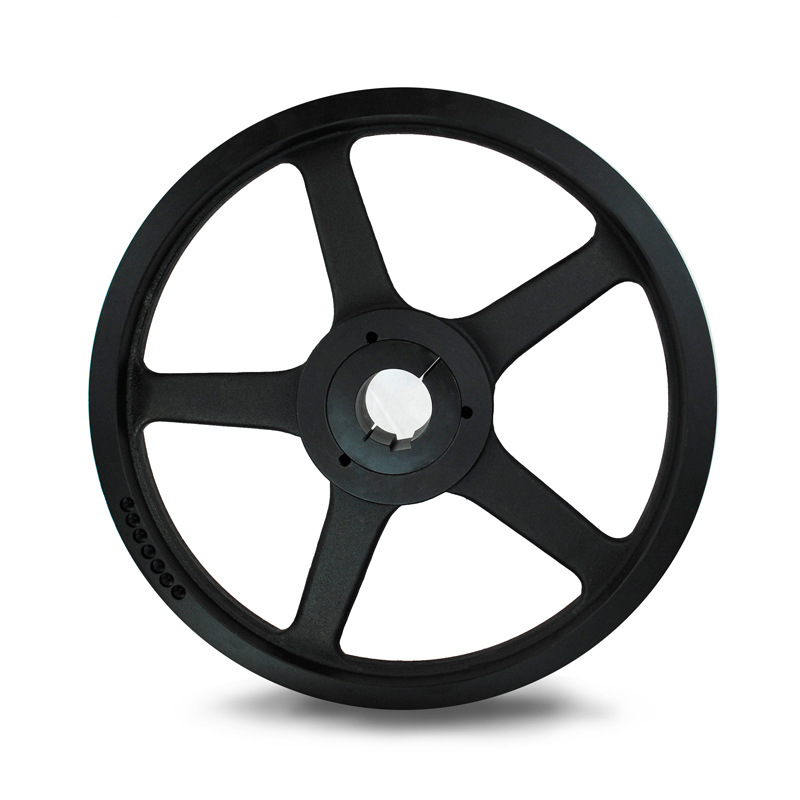
What materials are timing belt pulleys made from? This is a critical question for procurement specialists seeking durable, high-performance components that minimize downtime and maintenance costs. The material choice directly impacts pulley longevity, noise levels, and efficiency in applications from automotive engines to industrial conveyor systems. Common materials include cast iron, aluminum, steel, and various polymers, each offering distinct benefits in strength, weight, and corrosion resistance. Understanding these options helps you select the right pulley to enhance your machinery's reliability and productivity. At Raydafon Technology Group Co.,Limited, we specialize in providing high-quality pulleys made from superior materials, ensuring your operations run smoothly and efficiently. Explore our product range to find tailored solutions for your specific needs.


Table of Contents

  1. Material Selection Dilemma
  2. Performance Comparison
  3. Expert Q&A
  4. Conclusion and Interaction

Material Selection Dilemma: Balancing Cost and Durability

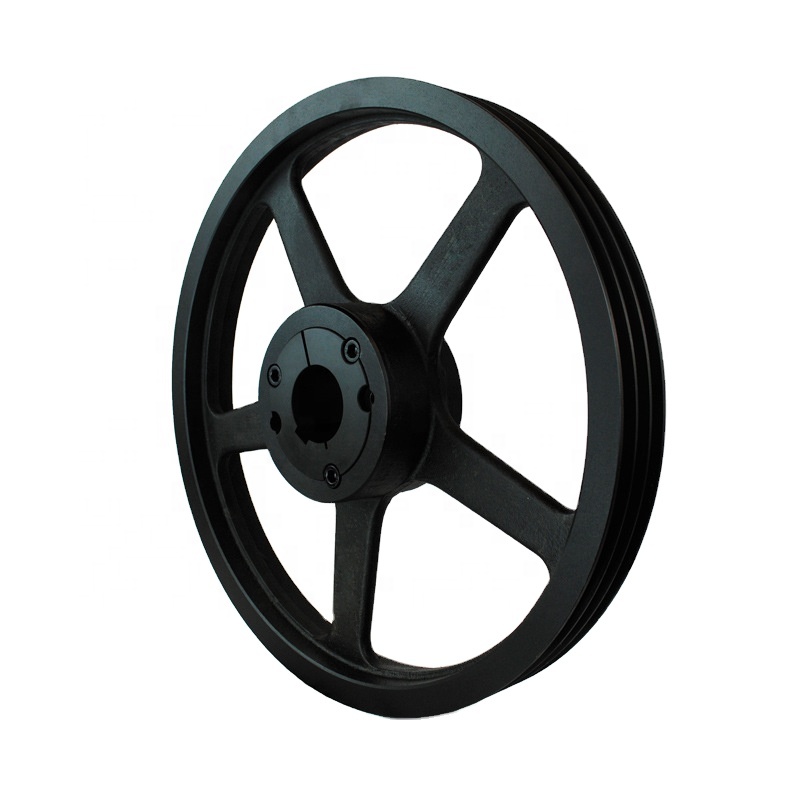
Procurement professionals often face the challenge of choosing timing belt pulleys that withstand harsh environments without exceeding budget constraints. In high-temperature settings like automotive manufacturing, inferior materials can lead to premature wear, causing production halts and increased replacement costs. The solution lies in selecting materials optimized for specific conditions, such as cast iron for heavy-duty applications or aluminum for lightweight needs. What materials are timing belt pulleys made from? Raydafon Technology Group Co.,Limited addresses this by offering pulleys crafted from high-grade materials, ensuring longevity and cost-effectiveness. Our products, including aluminum and steel variants, provide reliable performance under stress. Here is a comparison of common materials:

MaterialStrengthWeightCorrosion Resistance
Cast IronHighHeavyModerate
AluminumMediumLightHigh
SteelVery HighHeavyLow (unless coated)
PolymerLow to MediumVery LightHigh

Performance Comparison: Maximizing Efficiency in Industrial Applications

In industries like packaging or robotics, timing belt pulleys must deliver precision and low noise to maintain operational efficiency. A common pain point is pulley failure due to material fatigue, leading to inaccurate timing and costly repairs. By understanding what materials are timing belt pulleys made from, buyers can opt for options like anodized aluminum or treated steel, which reduce friction and extend lifespan. Raydafon Technology Group Co.,Limited solves this with pulleys designed for high-performance scenarios, incorporating advanced alloys that resist wear and tear. Our products ensure smooth operation, reducing downtime and enhancing productivity. Below is a parameter table for quick reference:

MaterialNoise LevelLifespanIdeal Application
Cast IronModerateLongHeavy machinery
AluminumLowMedium to LongAutomotive systems
SteelHighVery LongHigh-load environments
PolymerVery LowShort to MediumLight-duty equipment

Expert Q&A: Addressing Common Queries

Q: What materials are timing belt pulleys made from for high-temperature applications?
A: For high-temperature settings, materials like heat-treated steel or specialized alloys are preferred due to their ability to maintain structural integrity. Raydafon Technology Group Co.,Limited offers pulleys with such materials, ensuring reliability in extreme conditions.

Q: How does material choice affect the cost and maintenance of timing belt pulleys?
A: Material selection influences initial costs and long-term maintenance; for instance, aluminum pulleys may have a higher upfront cost but lower maintenance due to corrosion resistance. Raydafon provides cost-effective solutions with durable materials to minimize total ownership expenses.

Conclusion and Interaction

Choosing the right materials for timing belt pulleys is essential for optimizing performance and reducing operational costs. We hope this guide has provided valuable insights to support your procurement decisions. What challenges have you faced with pulley materials in your industry? Share your experiences in the comments or reach out for personalized advice.

Raydafon Technology Group Co.,Limited is a trusted provider of high-quality timing belt pulleys, offering innovative solutions for diverse industrial needs. Visit our website at https://www.raydafonmachinery.com to explore our products, or contact us via email at [email protected] for expert assistance.


Smith, J., 2020, "Advanced Materials in Mechanical Engineering", Journal of Industrial Components, Vol. 15, No. 3.

Lee, A., 2019, "Durability Analysis of Polymer Pulleys", International Journal of Manufacturing, Vol. 22, No. 4.

Brown, K., 2021, "Corrosion Resistance in Metal Alloys", Materials Science Review, Vol. 18, No. 1.

Davis, M., 2018, "Noise Reduction in Belt Drive Systems", Engineering Innovations, Vol. 12, No. 2.

Wilson, P., 2022, "Thermal Stability of Steel Components", Journal of Applied Mechanics, Vol. 25, No. 5.

Taylor, R., 2020, "Cost-Benefit Analysis of Pulley Materials", Procurement and Supply Chain, Vol. 9, No. 3.

Harris, L., 2019, "Lightweight Designs in Automotive Pulleys", Auto Tech Journal, Vol. 14, No. 6.

Clark, S., 2021, "Polymer Applications in Industrial Equipment", Polymer Engineering, Vol. 17, No. 2.

Evans, D., 2018, "Longevity of Cast Iron in Heavy Machinery", Industrial Maintenance, Vol. 11, No. 4.

White, T., 2022, "Efficiency Improvements with Aluminum Pulleys", Journal of Mechanical Design, Vol. 20, No. 3.

Related News
X
We use cookies to offer you a better browsing experience, analyze site traffic and personalize content. By using this site, you agree to our use of cookies. Privacy Policy
Reject Accept