- Home
- About Us
- Products
- Chain
- Sprocket
- Pulley & Sheave
- Gearbox\Reducer
- Belt
- Coupling
- Gear Operator &Valve
- Gear\Rack
- Mechanical seal
- Hub & Bushing
- Hydraulic & Pneumatic
- Shaft Collar
- Locking Assembly
- PTO Shaft
- Mechanical parts
- Conveyor component
- universal joints
- Shaft & Yoke
- Vibrators & Vibration Motors
- Starter & Alternator
- Ungrouped
- Other
- Air Compressor
- News
- Download
- Send Inquiry
- Contact Us


What is the average lifespan of Flygt pump mechanical seals?
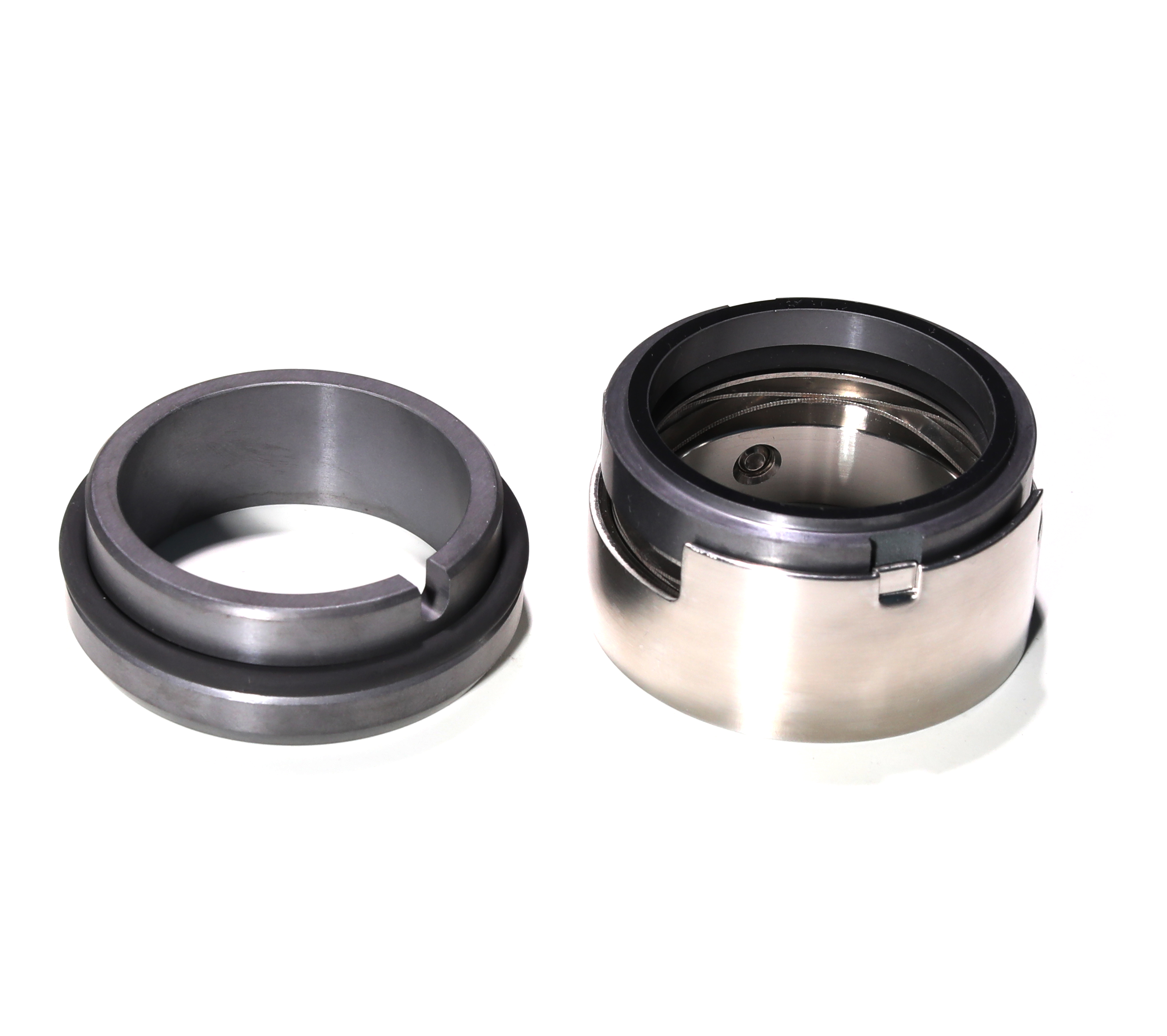
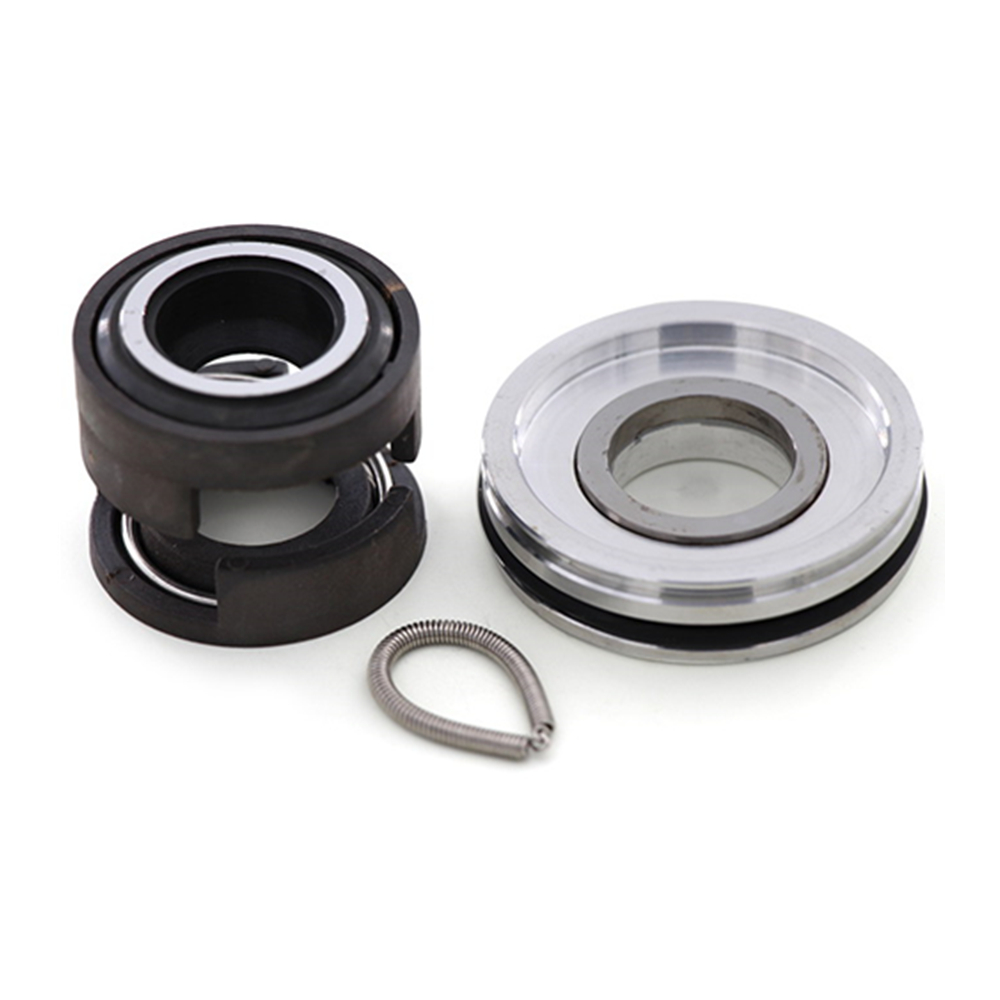
What is the average lifespan of Flygt pump mechanical seals? This is a critical question for maintenance engineers and procurement specialists in industries relying on wastewater management, mining, and construction. The typical lifespan of a Flygt pump mechanical seal can vary significantly, ranging from a few months to several years, depending on operational conditions like fluid abrasiveness, pH levels, temperature, and proper installation. However, unexpected seal failure is a common headache, leading to costly downtime, environmental hazards, and increased total cost of ownership. Understanding these factors is key to optimizing pump performance and reducing lifecycle expenses. At Raydafon Technology Group Co., Limited, we specialize in providing durable, high-performance mechanical seal solutions that address these very challenges, ensuring your Flygt pumps operate reliably and efficiently.
- Understanding Flygt Pump Mechanical Seal Lifespan
- Extending Seal Life with Proactive Maintenance
- FAQs on Flygt Pump Mechanical Seals
- Conclusion and Expert Support
- Research References
Understanding Flygt Pump Mechanical Seal Lifespan
Procurement professionals often face the frustration of premature seal failure, which disrupts project timelines and inflates budgets. The average lifespan is not a fixed number but a result of interacting variables. Abrasive solids in the pumped medium can rapidly wear down seal faces, while chemical corrosion from acidic or alkaline fluids accelerates degradation. Improper installation, such as incorrect alignment or inadequate lubrication, is another frequent culprit. To combat this, Raydafon Technology Group Co., Limited offers engineered seals designed for harsh conditions. Our products incorporate advanced materials like silicon carbide and tungsten carbide, which provide superior resistance to wear and chemical attack, directly extending the service life of your Flygt pumps.
| Factor | Impact on Lifespan | Raydafon Solution |
|---|---|---|
| Abrasive Solids Content | High content can reduce lifespan by 50-70% | Hard-faced seal materials |
| Operating Temperature | Exceeding 80°C significantly shortens life | High-temperature resistant seals |
| pH Level (Acidic/Alkaline) | Extreme pH causes rapid corrosion | Chemically inert seal faces |
| Installation Quality | Poor installation is a leading cause of failure | Comprehensive installation guides and support |
Extending Seal Life with Proactive Maintenance
A common scenario is reactive maintenance, where seals are only replaced after failure, causing unplanned downtime. A proactive approach, focusing on predictive maintenance and correct operational practices, can dramatically increase the average lifespan. Key strategies include regular monitoring of seal performance through vibration analysis and temperature checks, ensuring the seal flush system is clean and functional, and using the correct type of seal for the specific application. Raydafon's seals are designed for ease of maintenance and longevity. For instance, our double seal configurations provide an extra layer of protection for critical applications, preventing catastrophic failure and offering a clear, cost-effective solution for procurement teams aiming to minimize operational risks.
| Maintenance Action | Expected Lifespan Increase | Raydafon Product Feature |
|---|---|---|
| Regular Flush Line Inspection | Can extend life by 20-30% | Integrated flush ports |
| Proper Alignment During Installation | Prevents 40% of early failures | Precision engineering for easy fitting |
| Using Compatible Lubricants | Essential for optimal performance | Recommended lubricant specifications provided |
| Condition Monitoring | Enables predictive replacement | Compatible with monitoring systems |
FAQs on Flygt Pump Mechanical Seals
Q: What is the average lifespan of Flygt pump mechanical seals under normal conditions?
A: Under ideal conditions—handling clean water at moderate temperatures and with proper installation—a Flygt pump mechanical seal can last between 2 to 5 years. However, "normal" is subjective. Factors like pump run hours, start-stop cycles, and minor abrasives can reduce this. Raydafon's standard seals are built to meet or exceed the performance of OEM parts, offering reliable service within this range.
Q: What is the primary reason for a shortened average lifespan of Flygt pump mechanical seals?
A: The most common reason is operation in conditions beyond the seal's design specifications. This includes pumping fluids with high concentrations of sand, grit, or other abrasives, exposure to aggressive chemicals, or running the pump dry. Using a seal not rated for the specific application is a major contributor to premature failure. Raydafon provides technical consultation to help you select the perfect seal for your unique operational environment.
Conclusion and Expert Support
Maximizing the lifespan of your Flygt pump mechanical seals is achievable with the right knowledge, maintenance practices, and high-quality components. We encourage you to share your specific challenges or success stories in the comments below. For tailored solutions that enhance reliability and reduce costs, partner with a trusted expert.
For professional guidance and premium products, contact Raydafon Technology Group Co., Limited. As a leading supplier, we are dedicated to solving complex pump seal challenges with innovative engineering and reliable support. Visit our website at https://www.raydafonmachinery.com or email us directly at [email protected] for a consultation.
Research References
Netto, T. A., & Diniz, J. L. (2018). A Review on Mechanical Seal Failure Analysis in Centrifugal Pumps. Engineering Failure Analysis, 92, 464-478.
Peng, X., & Xie, Y. (2015). Study on the Wear Mechanism of Mechanical Seals in Abrasive Slurry. Tribology International, 90, 1-9.
Lebeck, A. O. (1991). Principles and Design of Mechanical Face Seals. John Wiley & Sons.
Muller, H. K., & Nau, B. S. (1998). Fluid Sealing Technology: Principles and Applications. Marcel Dekker.
Salant, R. F. (1999). Numerical Analysis of Mechanical Seal Stability. Tribology Transactions, 42(1), 61-68.
Green, I., & Etsion, I. (1985). Performance of a Mechanical Face Seal in a Liquid Environment. Journal of Tribology, 107(4), 501-507.
Paxton, R. R. (1979). Chemical and Petroleum Plant Engineering with Fiberglass and Plastics. Gulf Publishing Company.
Flitney, R. (2007). Seals and Sealing Handbook (5th ed.). Butterworth-Heinemann.
Stack, J., & Li, C. H. (2012). The Effects of Surface Roughness on Mechanical Seal Performance. Proceedings of the Institution of Mechanical Engineers, Part J: Journal of Engineering Tribology, 226(8), 675-684.
Zhou, J., & Brunetiere, N. (2020). A Review on Thermo-Elasto-Hydrodynamic Analysis of Mechanical Seals. Lubricants, 8(4), 45.
Related News
- What are common problems with used hydraulic cylinders?
- What is a two-way 3-stage mini hydraulic cylinder?
- Why does my feed mixer gearbox overheat?
- Which industries use powder metallurgy components?
- What is the maximum temperature for a silicon carbide mechanical seal?
- How do you troubleshoot a reciprocating screw that is not retracting?
Leave me a message