- Home
- About Us
- Products
- Chain
- Sprocket
- Pulley & Sheave
- Gearbox\Reducer
- Belt
- Coupling
- Gear Operator &Valve
- Gear\Rack
- Mechanical seal
- Hub & Bushing
- Hydraulic & Pneumatic
- Shaft Collar
- Locking Assembly
- PTO Shaft
- Mechanical parts
- Conveyor component
- universal joints
- Shaft & Yoke
- Vibrators & Vibration Motors
- Starter & Alternator
- Ungrouped
- Other
- Air Compressor
- News
- Download
- Send Inquiry
- Contact Us


How do you maintain a worm spur gear screw shaft for long service life?
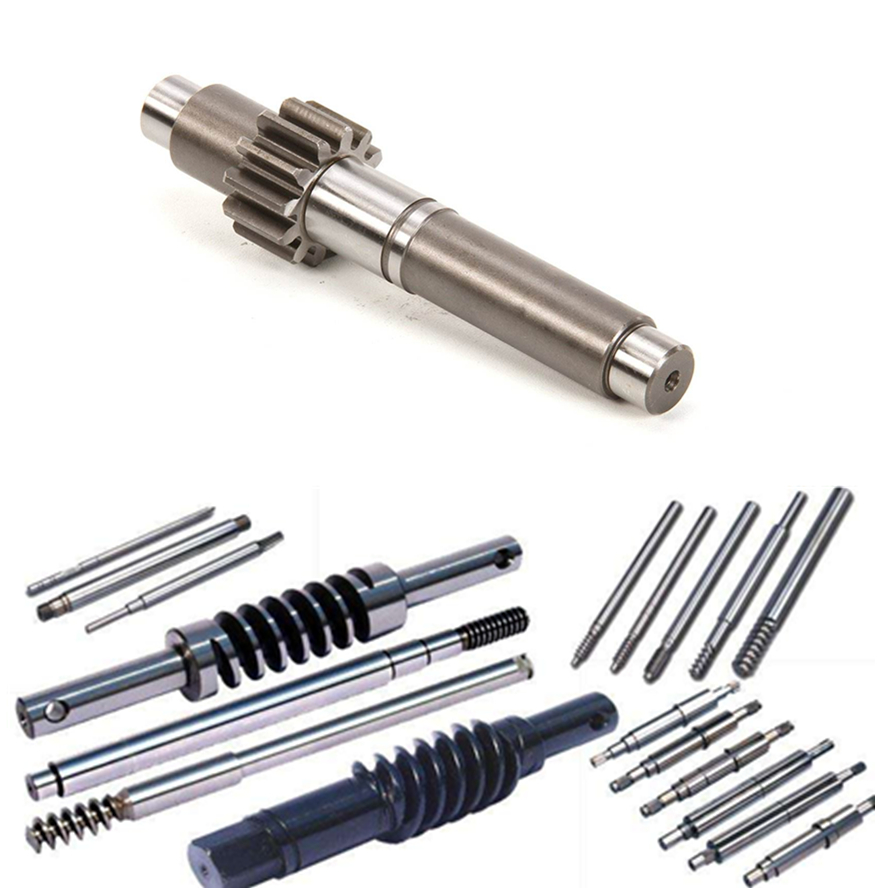
How do you maintain a Worm Spur Gear Screw Shaft for long service life? Ask this question before the first quote is approved, not after a line stops at 2 a.m. A procurement team comparing worm gearboxes for a packaging conveyor often sees three similar offers, then discovers that one supplier treats lubrication, backlash checks, and screw shaft alignment as optional extras. The lowest purchase price can become the highest total cost when a worn shaft causes product jams, oil leaks, and emergency freight. Raydafon Technology Group Co.,Limited builds maintenance guidance into the buying conversation, so engineers and purchasers share one inspection standard from day one. The practical answer is a repeatable routine: confirm the failure mode, control lubricant and contamination, measure backlash and axial play, trend vibration and temperature, and keep critical spares visible. This article turns that routine into a procurement-friendly plan, with checkpoints, parameter targets, and Q&A that help you specify the right shaft, ask better supplier questions, and protect uptime without overstocking. Use it as a checklist for new projects and as a review tool for existing worm spur gear screw shaft assemblies.
Start With the Failure Modes Buyers Actually See
A common scene: the gearbox arrives, the line runs, and the only maintenance record is “oil added” because production cannot stop. Eight months later the screw shaft shows step wear near the worm wheel, the seal leaks, and the buyer faces expedited replacement. The failure did not begin on the day it leaked; it began when the baseline was never recorded. For procurement, the risk is not just a part price—it is unplanned downtime, scrap, and emergency air freight. The solution is a baseline inspection at commissioning and a simple trend log that both maintenance and purchasing can review.
Record oil level, seal condition, backlash at the output, axial play of the screw shaft, fastener torque, and vibration on the bearing housings. Compare the first reading with later readings; absolute numbers matter less than change. If backlash grows quickly, check lubrication and contamination before adjusting. If axial play increases, inspect bearing preload and shaft retention. If vibration rises at the same load, look for misalignment or worm wheel wear. Raydafon helps buyers set these checkpoints in the purchase specification so the maintenance team receives a measurable handover.
| Checkpoint | Parameter target | Frequency | Action if out of trend |
|---|---|---|---|
| Oil level and seal | At sight-glass mark; no weeping | Weekly | Find leak source; do not only top up |
| Backlash | OEM range; log change from baseline | Monthly and after repair | Check wear, lubrication, and mounting |
| Screw shaft axial play | Within OEM limit; no step change | Monthly | Inspect bearing preload and retention |
| Fastener torque | OEM torque; visible match marks | At commissioning and 500 h | Re-torque to specification |
| Vibration | Baseline +20% alert | Monthly | Check alignment, bearing, and worm wheel |
Lubrication and Contamination Control
The pain appears as a small leak under a worm gearbox. A well-meaning operator tops up with whatever oil is nearby, and six months later the worm wheel is scored. Mixed lubricants, overfilling, and dirty breathers can raise oil temperature and reduce film strength. The solution is a controlled lubrication routine: confirm the OEM oil type, use a clean transfer container, replace breathers on schedule, and sample oil before changing grades. Raydafon’s service guide, How do you maintain a worm spur gear screw shaft for long service life?, treats lubricant specification and contamination control as part of the purchasing decision, not an afterthought.
For procurement, write the lubricant grade, fill volume, breather type, and oil-analysis interval into the order documents. Ask for a drain and sampling point that maintenance can reach without removing guards. Check water content and particle count when the duty cycle includes washdown, dust, or high ambient humidity. If the oil darkens quickly, look for overheating or seal ingress before extending change intervals. Clean oil protects the worm wheel, bearings, and screw shaft by keeping the lubricating film stable under sliding contact.
| Lubrication item | Parameter target | Frequency | Corrective action |
|---|---|---|---|
| Oil type | OEM-specified worm gear oil; compatible additives | At order and at change | Do not mix grades without OEM approval |
| Fill level | Between sight-glass marks when stopped | Weekly | Correct to mark; investigate repeat loss |
| Breather and filter | Clean, dry, and correctly seated | Every 1,000 h or 3 months | Replace at the lower of site or OEM interval |
| Oil analysis | Water and particles within OEM limits | Every 2,000 h or 6 months | Sample again; inspect seals and breather |
| Oil change | OEM interval; shorten for severe duty | Per OEM or analysis | Flush only with approved procedure |
Backlash, Axial Play, and Screw Shaft Fit
A buyer may ask for “zero backlash” because a positioning error appeared on the line. Maintenance then adjusts the gearbox without measuring at a stable temperature, and the assembly runs tight. The result is heat, noise, and accelerated wear on the worm wheel and screw shaft. The solution is to measure backlash and axial play against the OEM limit, record the readings at the same load and temperature, and check coupling alignment before changing internal settings. Procurement can support this by requiring a commissioning report with baseline values and adjustment limits.
Use a dial indicator on the output and on the screw shaft end, and check shaft runout after coupling installation. If backlash is within the OEM range but product quality drifts, inspect the control system and coupling before tightening the gear set. If axial play exceeds the limit, check bearing preload, spacer fit, and shaft locknut condition. A screw shaft that moves axially can change the contact pattern and raise sliding friction. Keep the adjustment data with the asset record so the next buyer or maintenance planner can see what changed and when.
| Measurement | Parameter target | Frequency | Action if out of limit |
|---|---|---|---|
| Backlash | OEM new range; trend toward wear limit | Monthly and after coupling work | Inspect wear and lubrication before adjusting |
| Screw shaft axial play | Within OEM limit; no sudden change | Monthly | Check bearing preload and locknut |
| Shaft runout | OEM coupling alignment tolerance | At installation and after repair | Re-align coupling and re-check runout |
| Fastener torque | OEM torque with match marks | At commissioning and 500 h | Re-torque and replace damaged fasteners |
| Contact pattern | Even contact per OEM guide | At rebuild or abnormal wear | Review shaft fit and worm wheel condition |
Vibration, Temperature, and Oil Analysis
The frustrating scenario is a gearbox that sounds normal until the last shift before failure. Maintenance has no trend data, so the buyer receives an emergency request for a screw shaft and bearings. The solution is condition monitoring with simple, repeatable readings: vibration velocity on bearing housings, bearing and oil temperature, and oil analysis for water, particles, and wear metals. The goal is not to predict every failure; it is to notice a change early enough to plan a repair window instead of paying for overtime and air freight.
Take readings at the same load and speed whenever possible. Compare each result with the commissioning baseline, and investigate a persistent rise rather than a single spike. A temperature rise with stable load can point to lubricant breakdown, overfilling, or bearing preload. A vibration change can indicate coupling misalignment, worm wheel wear, or screw shaft imbalance. Oil analysis closes the loop by showing contamination or wear before the damage becomes visible. Raydafon can help buyers define these checkpoints so condition data and spare-parts planning use the same language.
| Condition signal | Parameter target | Frequency | Corrective action |
|---|---|---|---|
| Vibration velocity | Baseline plus 20% alert; confirm with spectrum | Monthly | Check alignment, bearing, and worm wheel |
| Bearing temperature | Stable trend; alarm at OEM limit or +10°C | Weekly | Check lubrication and preload |
| Oil temperature | Within OEM range under normal load | Weekly | Check fill level, cooler, and duty cycle |
| Oil analysis | Water, particles, and wear metals within limits | Every 2,000 h or 6 months | Resample; inspect seals and breather |
| Noise and feel | No new knock, whine, or roughness | Each shift | Report early; do not wait for failure |
Spare Parts, Rebuild Decisions, and Total Cost
Procurement teams often face two bad choices: carry no spare and risk a long shutdown, or overstock parts that sit on the shelf for years. The pain is visible when a critical conveyor fails and the screw shaft lead time is eight weeks, while three unused seal kits are found in storage. The solution is a criticality-based spare plan. Rank the asset by production impact, review typical lead times, and stock only the parts that protect the line within the plant’s risk tolerance. Use maintenance data to decide whether to rebuild or replace.
For each worm spur gear screw shaft assembly, list the wear parts, expected inspection interval, and decision trigger. A leaking seal may justify a seal kit and bearing set; a scored worm wheel or bent screw shaft may justify a rebuild or new unit. Keep a rebuild file with backlash, axial play, oil analysis, and operating hours. Raydafon Technology Group Co.,Limited supports buyers with selection and maintenance reviews so spare-parts budgets follow real failure modes, not guesswork. The lowest total cost of ownership usually comes from planned inspection, correct lubrication, and a small, visible critical spare set.
| Part or decision | Typical wear signal | Stocking recommendation | Replacement trigger |
|---|---|---|---|
| Worm wheel | Backlash growth, noise, contact pattern change | Critical line: one set by risk review | Wear limit reached or scoring visible |
| Screw shaft | Axial play, runout, step wear, seal leak | Long lead time: confirm with OEM | Runout or wear beyond OEM limit |
| Bearings | Temperature rise, vibration, roughness | One set for critical assets | Condition trend confirms distress |
| Seals and breathers | Weeping, dust ingress, pressure build-up | Low-cost kits on site | Leak or scheduled rebuild |
| Lubricant | Water, particles, or wear metals | One change volume plus top-up | Analysis or OEM interval reached |
A 30-Day Action Plan for Buyers
A new line is about to start, and the buyer has a folder of drawings but no maintenance baseline. The risk is that the first failure becomes the first inspection. The solution is a 30-day plan shared by purchasing, maintenance, and the supplier. In week one, confirm the asset criticality and collect OEM data. In week two, record commissioning readings. In week three, set the lubrication and inspection schedule. In week four, review the spare-parts list and close any missing information. This simple rhythm turns maintenance into a purchasing advantage.
Use the plan to ask better supplier questions: What is the backlash limit? What oil grade is approved? What is the axial play limit for the screw shaft? Which parts have the longest lead time? Who provides the commissioning checklist? Raydafon Technology Group Co.,Limited can review application data and help align the gearbox, screw shaft, and maintenance schedule before the order is released. The output should be a one-page asset card with readings, limits, and contacts—not a binder that no one opens.
| Week | Action | Owner | Output |
|---|---|---|---|
| Week 1 | Confirm duty cycle, criticality, and OEM limits | Buyer and maintenance lead | Asset data sheet |
| Week 2 | Record baseline backlash, axial play, vibration, and temperature | Maintenance technician | Commissioning record |
| Week 3 | Set lubrication, breather, and oil-analysis schedule | Reliability engineer | Preventive maintenance plan |
| Week 4 | Review critical spares and lead times | Procurement and stores | Approved spare-parts list |
Procurement Q&A: Lubrication and Inspection
Q: How often should we inspect a worm spur gear screw shaft in a continuous-duty line?
A: Start with weekly visual checks for leaks, oil level, noise, and seal condition during the first month. Add monthly backlash, axial play, and vibration readings against the commissioning baseline. If the line runs in dust, washdown, or high temperature, shorten the oil-analysis interval and inspect breathers more often. The correct frequency is the one your team can sustain; a simple weekly route with clear limits is better than an ambitious plan that is skipped. Record every reading so the next buyer can see the trend.
Procurement Q&A: Lead Time, Spares, and Rebuilds
Q: When should a buyer replace the screw shaft instead of rebuilding the gearbox?
A: Decide with three facts: wear against OEM limits, total rebuild cost, and production risk. If axial play or runout exceeds the limit, or the screw shaft shows step wear and seal damage, a replacement shaft may be safer than a rebuild. If the housing, worm wheel, and bearings are within specification, a planned rebuild with new seals and bearings can be cost-effective. Ask Raydafon Technology Group Co.,Limited to review photos, readings, and duty cycle before releasing the order, and compare lead time against your critical spare strategy.
Bring your maintenance lead and your buyer into one review before the next order. Raydafon Technology Group Co.,Limited supports procurement teams with worm gear and screw shaft solutions that connect specification, inspection, and spare-parts planning, so long service life is built into the purchase rather than discovered after failure. Review product details at https://www.raydafonmachinery.com or send your application data to [email protected] for a practical maintenance and selection review.
Kahraman, A., Singh, R., 1990, Non-linear dynamics of a geared rotor-bearing system with multiple clearances, Journal of Sound and Vibration, 142(1).
Özgüven, H.N., Houser, D.R., 1988, Mathematical models used in gear dynamics—a review, Journal of Sound and Vibration, 121(3).
Randall, R.B., Antoni, J., 2011, Rolling element bearing diagnostics—a tutorial, Mechanical Systems and Signal Processing, 25(2).
Jardine, A.K.S., Lin, D., Banjevic, D., 2006, A review on machinery diagnostics and prognostics implementing condition-based maintenance, Mechanical Systems and Signal Processing, 20(7).
Peng, Z., Kessissoglou, N.J., 2003, An integrated approach to fault diagnosis of machinery using wear debris and vibration analysis, Wear, 255(7–12).
Tandon, N., Choudhury, A., 1999, A review of vibration and acoustic measurement methods for the detection of defects in rolling element bearings, Tribology International, 32(8).
Hiltcher, Y., Guingand, M., de Vaujany, J.P., 2006, Numerical simulation of worm gear geometry and manufacturing, Mechanism and Machine Theory, 41(9).
Simon, V., 2000, Influence of tooth errors on the load capacity of worm gears, Gear Technology, 17(3).
Litvin, F.L., Fuentes, A., Vecchiato, D., 2001, Computerized design of worm gear drives, Gear Technology, 18(5).
Wang, J., Howard, I., 2004, The torsional stiffness of involute spur gears, Proceedings of the Institution of Mechanical Engineers, Part C: Journal of Mechanical Engineering Science, 218(1).
Related News
- What Is the Difference Between Hard Chromium Plating and Decorative Chrome Plating?
- What oil capacity does a T90INV Bales Gearbox require?
- What are common problems with used hydraulic cylinders?
- What is a two-way 3-stage mini hydraulic cylinder?
- Why does my feed mixer gearbox overheat?
- Which industries use powder metallurgy components?
Leave me a message
New Products
News Recommendations